
By her late twenties, Ella-Jane had checked every single box on the corporate bingo card.
A fast-rising career at a London property tech start-up? Check. Regular promotions? Check. Direct access to the CEO? Check.
On paper, she was the absolute blueprint of a high-flying, successful professional.
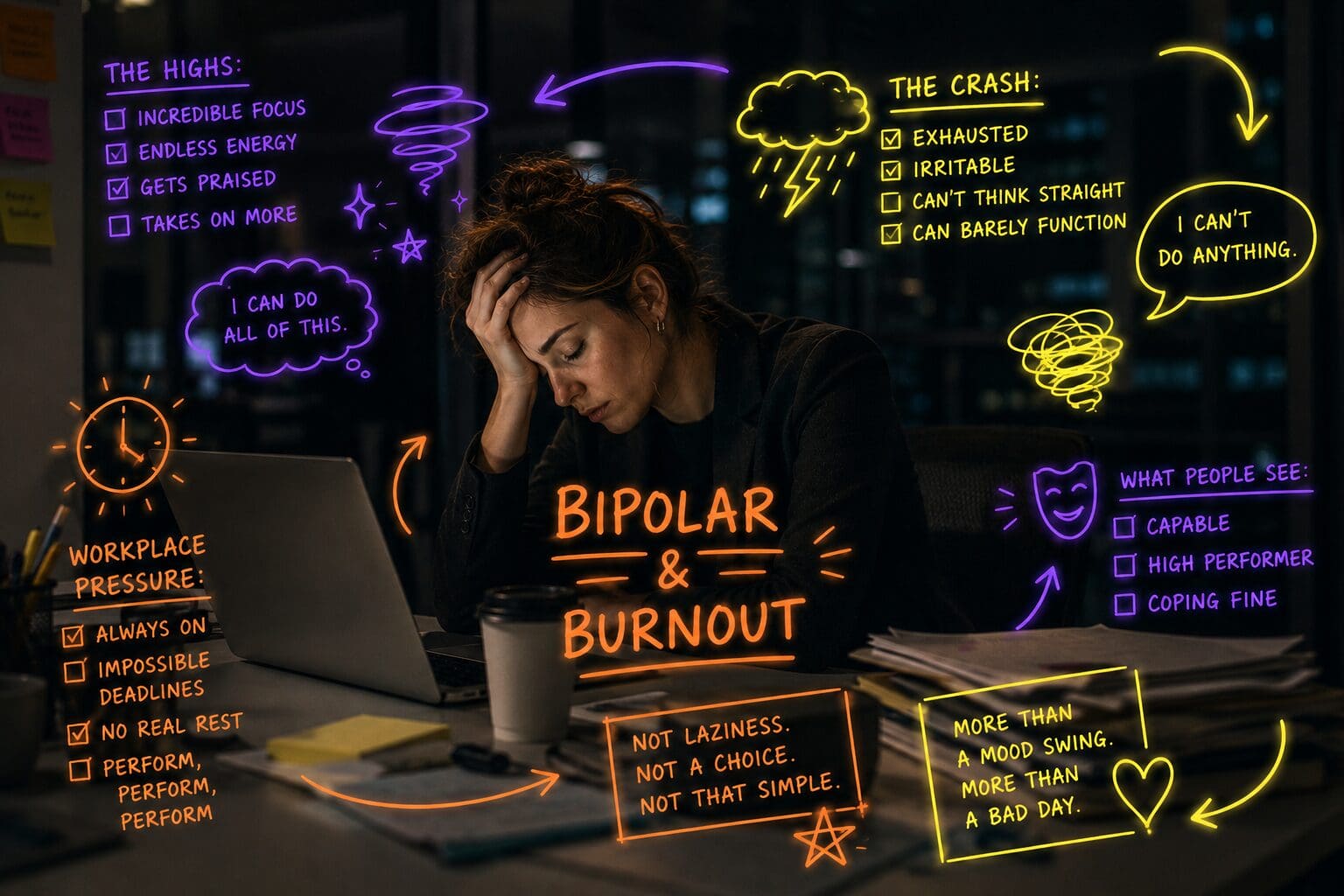
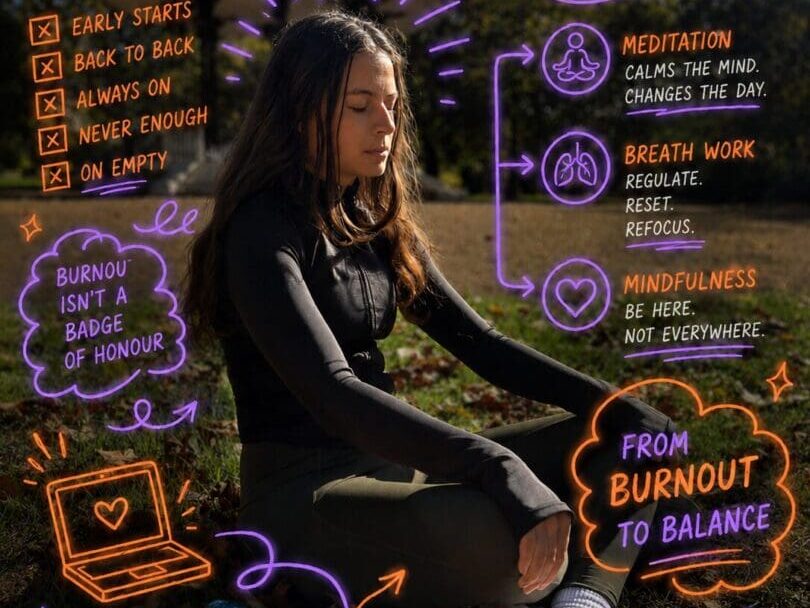
But behind the flawlessly curated professional career, systemic burnout was quietly eating her alive.
“I was a hamster on a wheel, I worked a lot, often more than those around me and thought about work 24/7,” she says “I would wake up, and the first thing I would do would be to pull out my laptop and start checking my emails. I attached a huge amount of my self-worth to my career.”
It’s the classic corporate trap – tying your entire identity to a job that would list your role on LinkedIn before you’ve even handed in your notice.
For Ella-Jane, the big break came three years ago during a trip to India. Far removed from the grinding hustle of the UK, she stumbled into meditation and mindfulness.
This completely flipped her perspective, eventually leading her to complete a brutal ten-day silent Vipassana retreat in Suffolk last year.
The way the Western world has packaged mindfulness is complete bullshit.
The multi-billion-pound wellness industry wants you to believe that meditation is some luxury aesthetic; something reserved for sodding rich influencers at five-star spiritual retreats.
And that expensive apps or quick-fix shortcuts will magically ‘cure’ your chronic exhaustion.
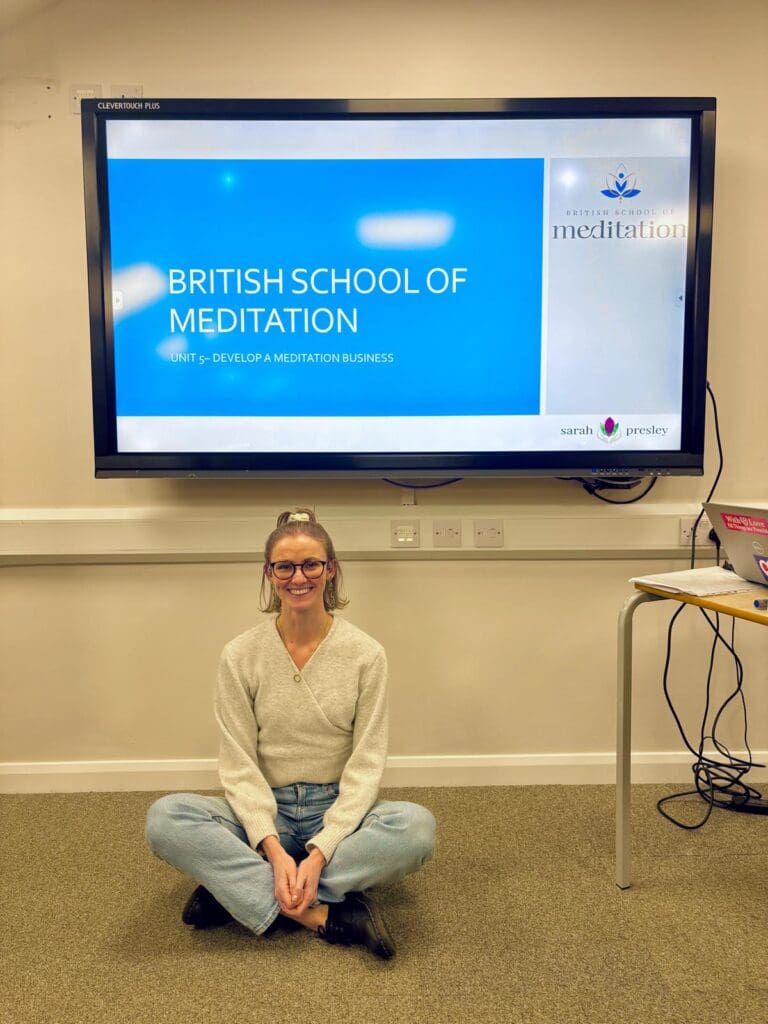
Ella-Jane, who is now a qualified teacher at the British School of Meditation, is the first to trash the fantasy-solution narrative.
“Meditation is not a cure and hasn’t solved all my challenges. I still experience stress, sleepless nights and react in ways that I may not always be entirely satisfied with,” she says. “But it is a tool that makes facing challenges feel more manageable.”
Yoga and meditation teacher Nicki Cooper agrees that the industry has been distorted by Western consumerism.
“I think the most common thing people in their twenties and thirties struggle with is anxiety,” she says. “Unfortunately, the yoga world, especially in the West, is represented by a minority, primarily white females in their twenties who are super flexible and have the ‘yoga body’, and that is their goal.”
Nicki’s ethos completely rejects this shallow, external aesthetic, focusing entirely on how the practice feels internally rather than how it looks to the outside world.
These aren’t modern lifestyle trends; they’re ancient, time-tested practices which have endured simply because they just work.
They’re especially helpful when you’re drowning in a toxic corporate environment, and your body pays a physical price.
Our nervous systems aren’t built to endure an endless barrage of notifications, passive-aggressive emails and back-to-back Zoom meetings. Yet modern work culture forces us to spend our entire lives trapped in a chronic state of fight-or-flight.
Certified Breathwork Facilitator Gilly Pepper points out that professional women consistently underestimate how deeply stress physically embeds itself into their bodies.
“Using conscious connective breath, you attune to your nervous system and with practice you are able to calm the body and recognise spaces within that may be stuck,” she says. “This form of breathwork gives you access to your subconscious, and from there you are able to release what needs to come out.”
True mindfulness doesn’t mean ‘clearing your mind’ or sitting in blank, blissful ignorance while your life burns around you. Human beings are wired to think.
Instead, it works by actively triggering the ‘rest and digest’ mode that modern hustle culture aggressively starves you of.
It teaches you to observe your stressful corporate thoughts without getting dragged under by them.
If you’re a burnt-out professional, you don’t need another fucking chore on your to-do list, which is exactly why Gilly Pepper doesn’t waste time with heavy academic theory when trying to convince sceptical twenty-year-olds.
“I don’t explain it, I encourage people to try something simple and notice how they feel afterwards. Education comes after experience,” she says.
If you’re sitting at your desk right now, feeling the walls close in, drop the viral TikTok hacks and try Gilly’s go-to corporate survival technique. Box breathing.
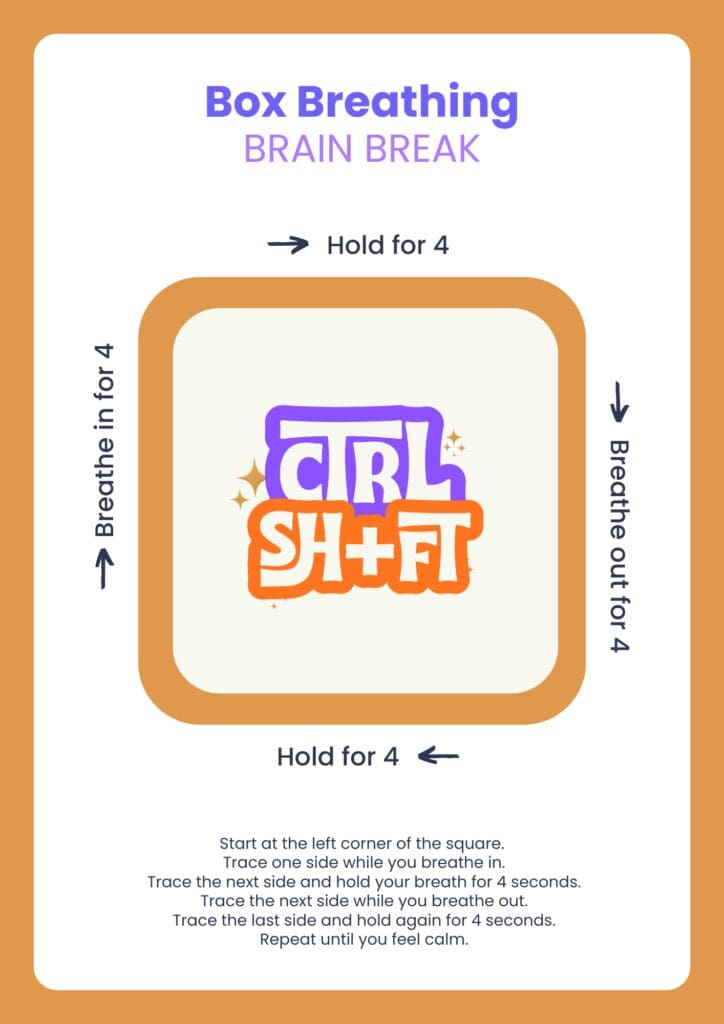
It’s simple, it’s free, and it’s a direct reminder to your body that your boss DOES NOT own your mind.
To actively challenge toxic myths surrounding the wellness space, Ella-Jane launched Still and Stride, London’s first meditation and run club.
Meeting every Sunday, the club strips away the intimidating, crystal-healing vibes of traditional meditation by pairing it with something accessible, running.
“One, people love and feel comfortable with running already, so the hope was that by offering this,” she says. “It would encourage people who may be unsure about meditation to try it anyway. We all know the benefits of physical fitness and dedicate time and effort to it. Our mental, emotional and spiritual fitness doesn’t get the same attention, and I’d like to change that.”
So, mindfulness won’t magically make your workload disappear, but it will completely alter your perspective on the system you are working in.
If you are an early-career professional staring down the barrel of chronic burnout, the solution might not be just ‘working less’ while staying strapped in the same shitty, toxic mindset.
The real breakthrough is checking whether you actually feel aligned with the life you are building.
We have been conditioned by a broken corporate culture to believe that achievement has to look a certain, exhausting way. It’s time to start listening to your own body.
Because, as Ella-Jane puts it, “success should feel just as good as it looks.”