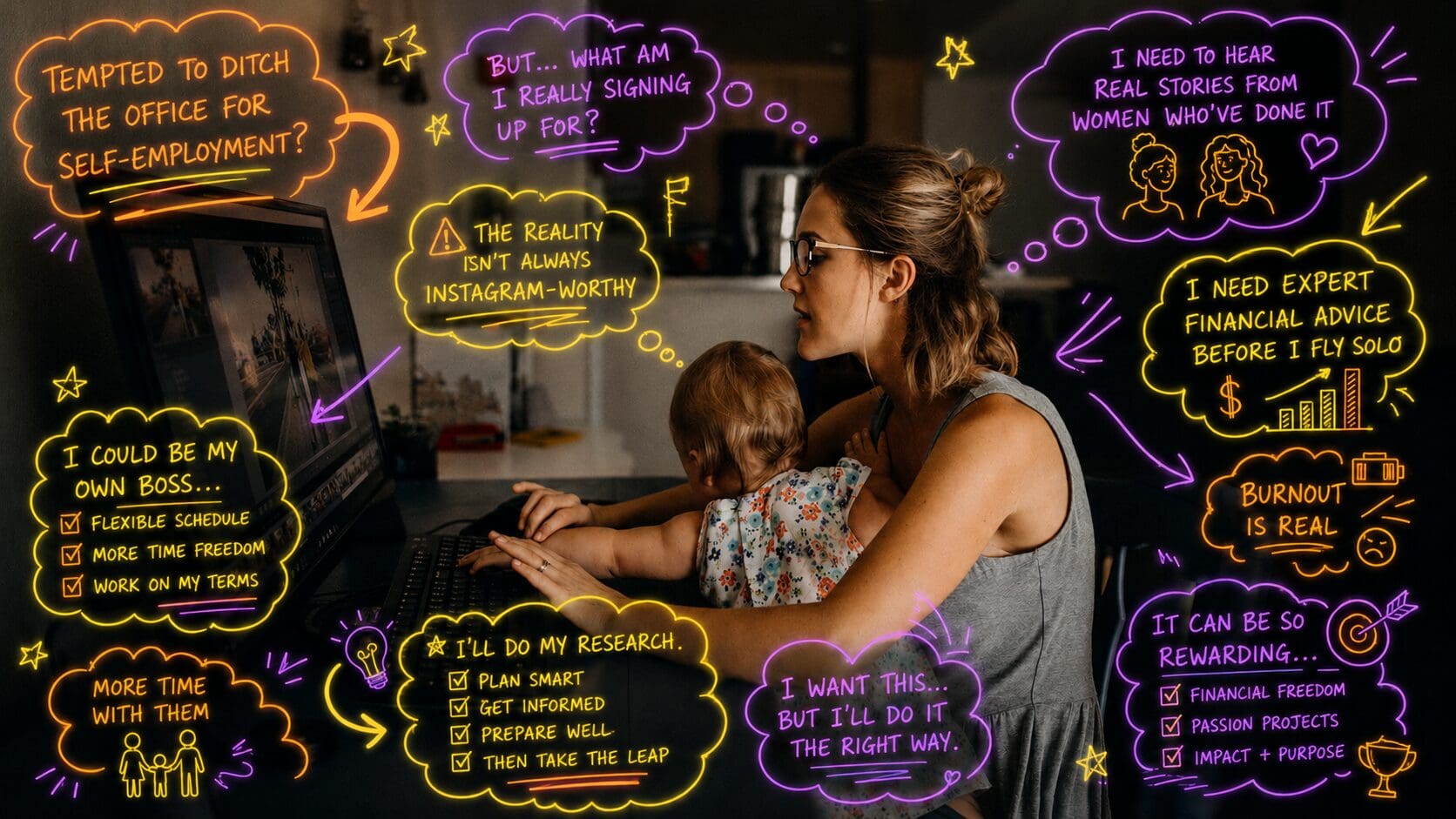

Considering quitting your job?
We don’t bloody blame you.
Got an opportunity to work for yourself? ‘Sign me the fuck up!’ are the words that spring to mind.
Office job, Groundhog Day, the cutthroat culture of the corporate hellscape, and the strict schedule of salaried employment may well leave us feeling apathetic or, worse still, burnt out.
Self-employment seems like the ideal alternative – pursuing your passion, on your terms and with your own money, but the risk remains even when you make the tempting switch to the other side.
Sammi Ford is a multi-award-winning, published entrepreneur as the MD of SPCB UK, who suffered from burnout following a career U-turn when she quit her post as an RAF officer to build a supplies company selling water treatment systems and cleaning chemicals, dealing with the likes of Bosch and the BBC.
This was more practical for raising her children, but caused her work-related stress in its own way.
‘’RAF officers have to move every four years, so it would mean my children would live a very mobile life and not really be able to settle down anywhere. They became the centre of my world, so I decided to put them first. I went through a period where I was just exhausted all the time. I couldn’t get out of bed, I couldn’t function, and I didn’t know what was wrong with me,” she says. “I just thought I was being lazy or weak or pathetic. It wasn’t until then that I gave myself compassion. When the diagnosis came, and I started to learn about it, I found out that this isn’t actually me that’s at fault. It’s the way that my brain works.”
COVID lockdowns, supply chain issues due to Brexit, perimenopause and bereavement, all whilst keeping her business afloat; it was the perfect fucking storm for Sammi’s burnout.
“I deal with French companies, so importing became an issue with all the Brexit paperwork, which was a lot of stress. I was also going through perimenopause at the same time, and then my dog passed away,” she says. “My hormones were up and down like a yo-yo, and I just couldn’t cope. I would go to bed and sleep for days, and eventually I ended up in the hospital because I hadn’t looked after myself.’’
Most working women will burn out at some point in their employed careers- Ctrl+Shift’s own market research found that 67% of women aged 21 to 35 already identify as either exhausted or worried they’re heading there.
Fiona DaSilva-Adams, who also chose to prioritise her family at the risk of burnout, was inspired to found her award-winning company, Revolution Performing Arts (RPA), after the birth of her second child.
“I had my second baby, and I wanted to create a company that would work around my children. I had a degree in performing arts, was a general manager of a theatre company, and saw a gap in the market where young people were not able to fully express their imaginations,” she says. “And so I thought I should go and set one up myself. So that’s what I did.”
Fiona won the Best Business Women Awards in the category of children and families, silver one year and gold the next.
“When I got the gold, my children were there, and that was the best moment. My husband was there, my two children were there, and it was wonderful,” she says.
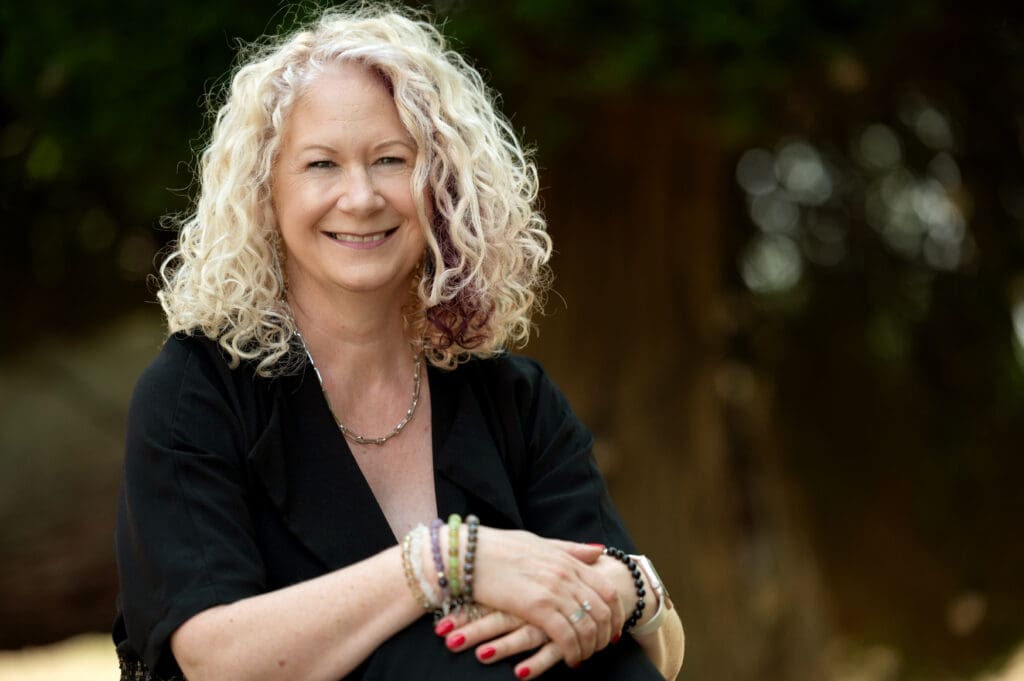
RPA more recently won the Best Family Business category at the Best SME Awards 2026.
Despite all the success, Fiona suffered burnout whilst trying to keep up with RPA’s growth.
“Emotionally, you really question yourself when you create something. I would ask myself, ‘Am I meeting everyone’s needs? Is this really what people want?’ And safeguarding can, of course, be very emotionally draining too,” she says. “Before I took on more teachers, I was doing it all by myself, running 13 classes a week in the first year, and they were physical too, with singing, dancing, and drama. That was exhausting.’’
Running your own business is about more than boldness and autonomy.
Adapting to changes in the business, from growing pains to economic stresses, can be an unexpected emotional and physical burden that you may not see coming.
Financial advisor Antonia Medlicott warned that whilst the growth of your own businesses is rewarding, it’s important to manage your finances responsibly.
“When you’re excited about a business venture, I can totally understand how the financial part of it might seem really dull. But it can make all the difference. It can be the make-or-break,” she says. “One of the mistakes that people make is trying to expand too quickly. If you grow organically, one step at a time, it can ease that pressure. I also find that people forget that there are grants and other resources available. If someone was starting out from scratch, it’s really worth checking what’s available to you.”
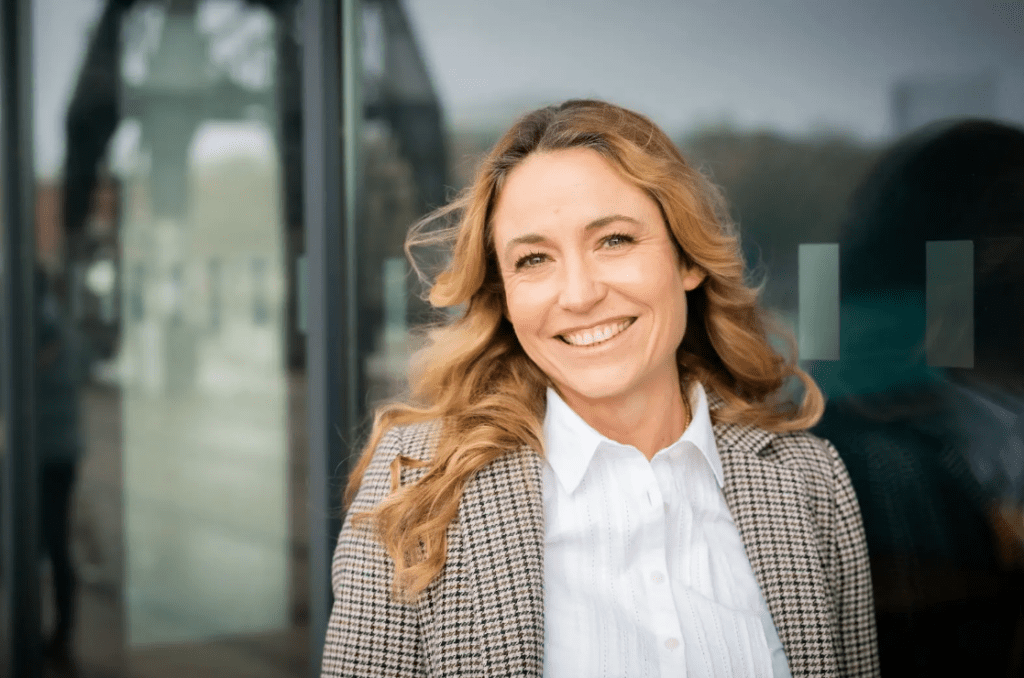
She gives practical advice for those considering making the switch to self-employment:
“When people start their own business, one of the mistakes they can make is not separating their personal finances from their business finances properly. A lot of small business owners won’t be making the most of every single tax break that they can get. People have spare cash sitting in a company account and every single penny needs to be working all the time, so a really good accountant is worth its weight in gold,” she says. “It’s really important to find the right one, so I would take a personal recommendation. Ask someone you trust and have a relationship with, because it’s not the sort of thing I would just Google. Also, don’t forget your pension. It’s tax-deductible, so it will reduce your tax load. Most who start their own business stop paying into a pension. And their future selves won’t thank them for that.”
Since learning to work within her limits after a harsh reality check, Sammi has remained the MD of SPCB UK.
She’s also a poetry workshop leader and has found that doing the things she loves helps her avoid the stress that comes from doing the things that pay the bills.
“Go with what you like doing, go with your passion and make sure you’re interested in it. If you get up every morning and you hate it, you’re not going to be the best at what you do,” Sammi says. “If you would get up every morning and do it without being paid, then you’re not really working.”
Fiona advises anyone interested in pursuing their own business to take a more compassionate approach.
“There are going to be uncertainties every day. You just have to believe in what you’re doing,” she says. “All you can do is know that you are doing what you love, that you are doing your best, and you are meeting a need.”