
While many of your colleagues get to clock off and actually unwind after their 9 to 5, this simply isn’t your reality.
Home isn’t a place for relaxation and recharging, it’s a second shift waiting for you, a whole other set of responsibilities you’re expected to carry without complaint.
Your ‘work life balance’ is a different fucking universe, one that leaves you feeling utterly and completely exhausted.
Melanie Kendall, the Project Officer at We Care Your Care says: “Young adult carers are often balancing work, caring responsibilities and trying to have a social life all at the same time.
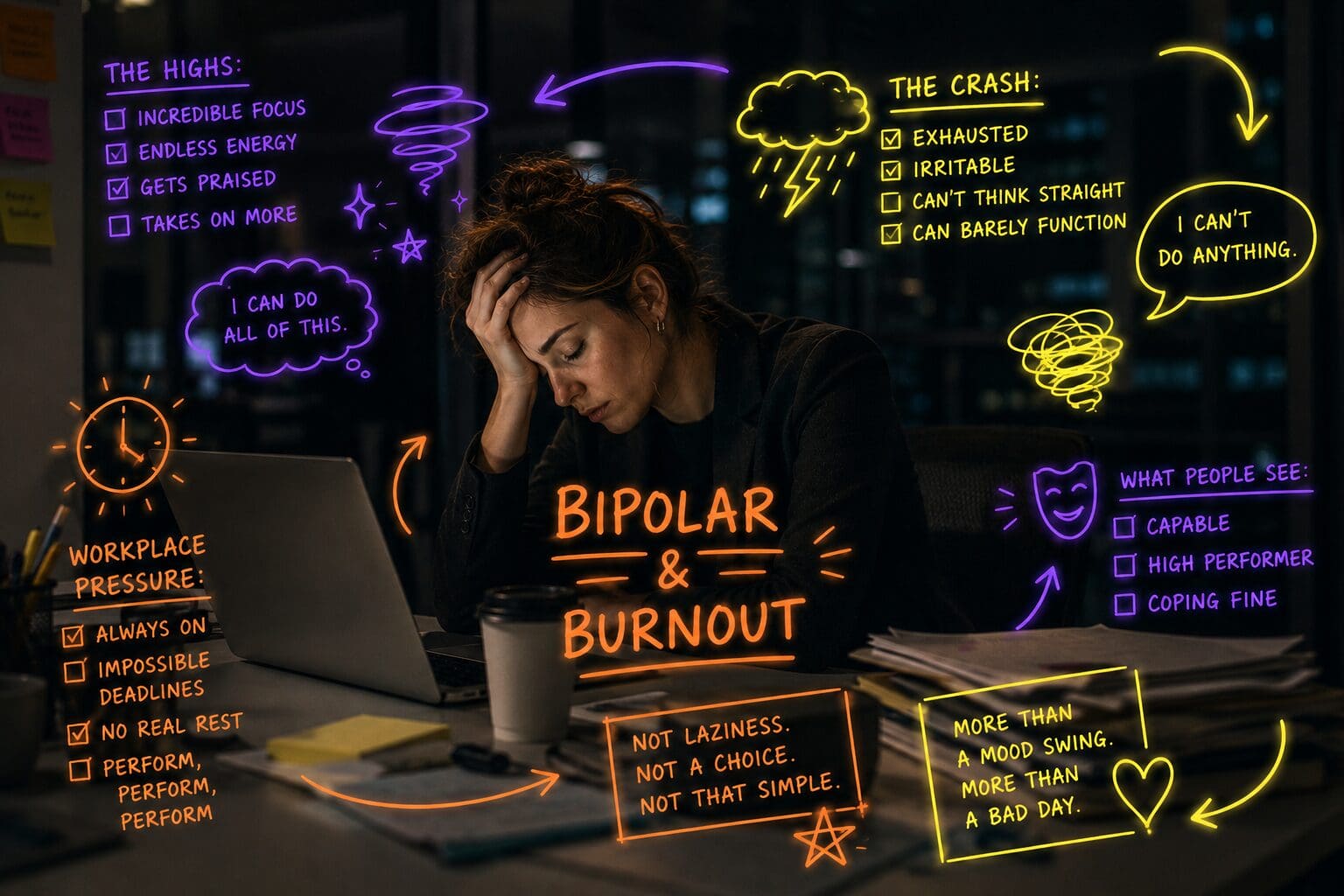
“Unlike many people their age, they don’t always get time to properly switch off or rest which can lead to exhaustion, stress and burnout.
“A lot of young adult carers can also carry a lot of guilt. They can feel guilty at work for needing flexibility, and guilty at home for feeling they are not doing enough.”
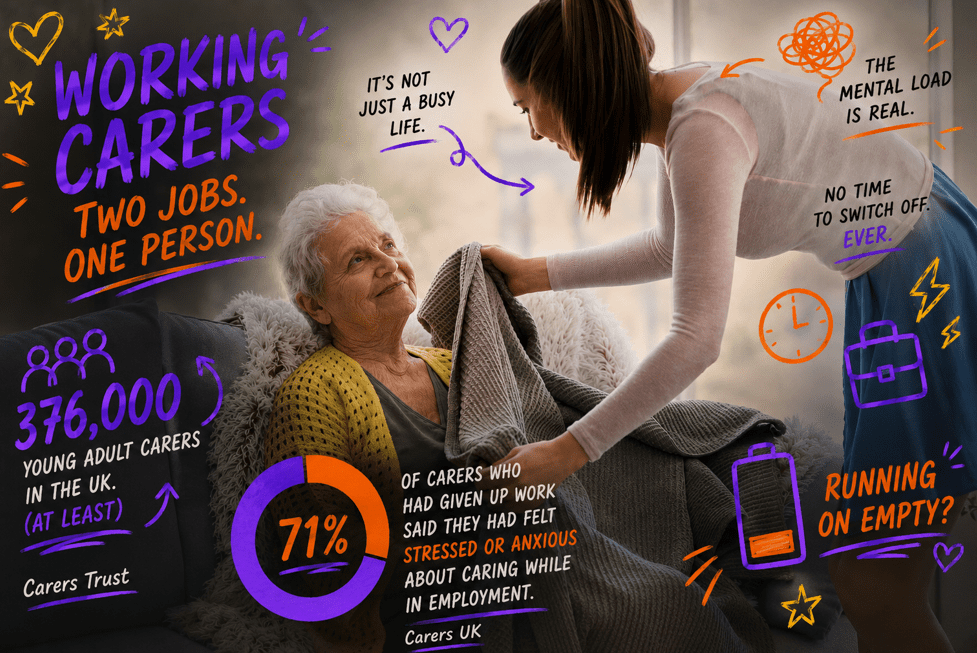
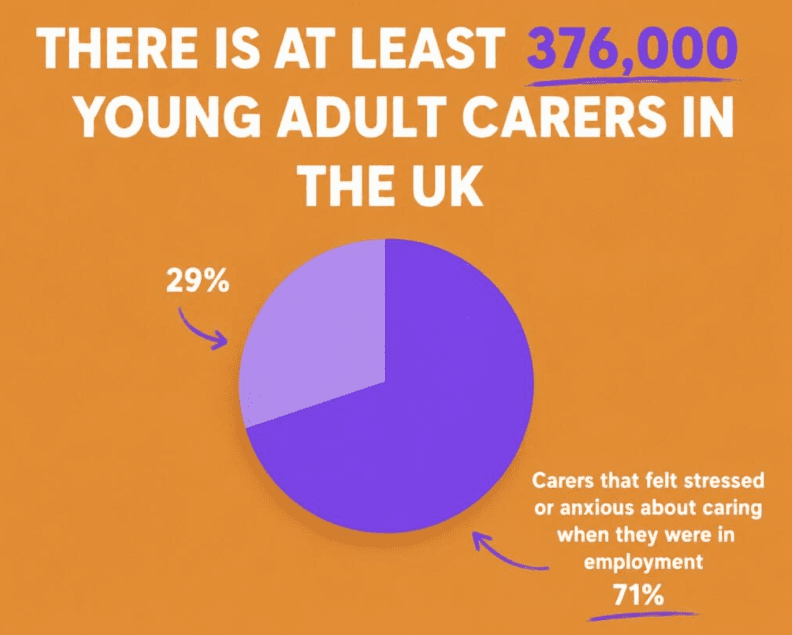
Carers Trust found there’s at least 376,000 young adult carers in the UK, and a recent report by Carers UK found that 71% of carers who had given up work said they had felt stressed or anxious about caring when they were in employment.
The burden to balance all aspects of your life is heavy. And it hits women especially hard.
“All the research shows that more young women take on caring roles,” Melanie says. “Some of that can be linked to social expectations around women being seen as caregivers within families.
“That emotional pressure can go unnoticed because they often become very good at coping and carrying on. From the outside, they may appear to be managing well, while internally they’re feeling overwhelmed, anxious or isolated.
“It can also affect their confidence, career opportunities, relationships and mental wellbeing over time.”
It can also hit differently across different cultures and contexts, especially in situations where the load of caring for family falls even harder.
Melanie says: “In some cultures, caring is seen as a family duty and something that’s just expected, which can make it harder for young women to ask for outside support or identify themselves as carers. The key thing is making sure support is accessible and culturally sensitive.”
Support and access to resources aren’t optional, they’re essential. Because without them, you’re left carrying the shit that no one should have to shoulder on their own.
Melanie says, “A lot of young adult carers worry about speaking up because they don’t want to be treated differently or seen as unreliable. But often, having an honest conversation can really help.
“One of the biggest things is recognising that they don’t have to do everything alone. Speaking to an employer, manager or a carer support service can really help. Support is available, but many young carers don’t realise they’re carers or think their situation is serious enough.”
But no situation is ever too small to deserve support, and in the UK everyone is entitled to a free carer’s assessment through the NHS that can open the door to resources that make the whole thing a hell of a lot more manageable.
The people around you can make all the difference. A little compassion for what others are carrying goes a long way, whether that’s lending an ear to a colleague or checking in on someone who needs it.
Melanie says: “I think it’s important for people to understand that young adult carers are often carrying huge responsibilities. Many are juggling things that most people their age aren’t having to think about like finances, medication, appointments, emotional support, or worrying about someone’s safety and wellbeing.
“They may miss out on opportunities, social time or rest because caring comes first. A bit of understanding, flexibility and simply asking how they’re doing can go a long way.”
Ultimately, whether you’re the one doing the caring or standing by someone who is, proper support has to exist, in workplaces and well beyond, because no one should be left to carry this by themselves.
Currently the Carer’s Leave Act 2023 entitles employees to 5 days of unpaid leave, but Carer’s UK is calling for the government to make this statutory paid leave instead.
Considering the toll this role can take on a physical and mental level, this seems like the least that can be done to help sustain this lifestyle.
Because if we rely on carers to keep families, workplaces and communities afloat, the least we can do is build a world that doesn’t burn them out in the process.