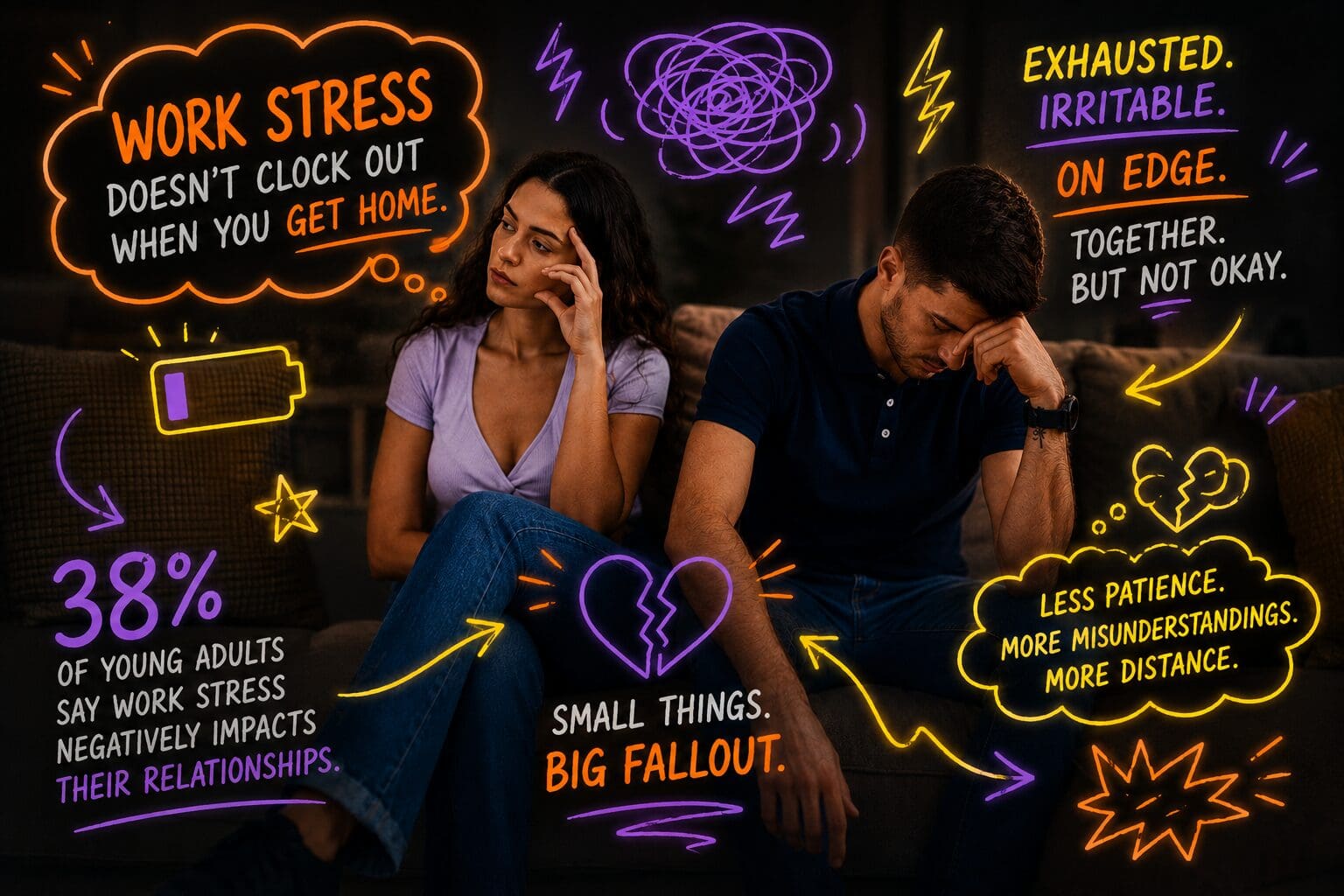

Love isn’t the tricky part. Trying to love someone while you’re both exhausted, stressed, and dragging the day’s bullshit home like an unwanted third roommate, that’s when the smallest sigh can turn into a full‑blown argument about absolutely nothing.
Research has found that 38% of young adults say work stress has a negative impact on their romantic relationships.
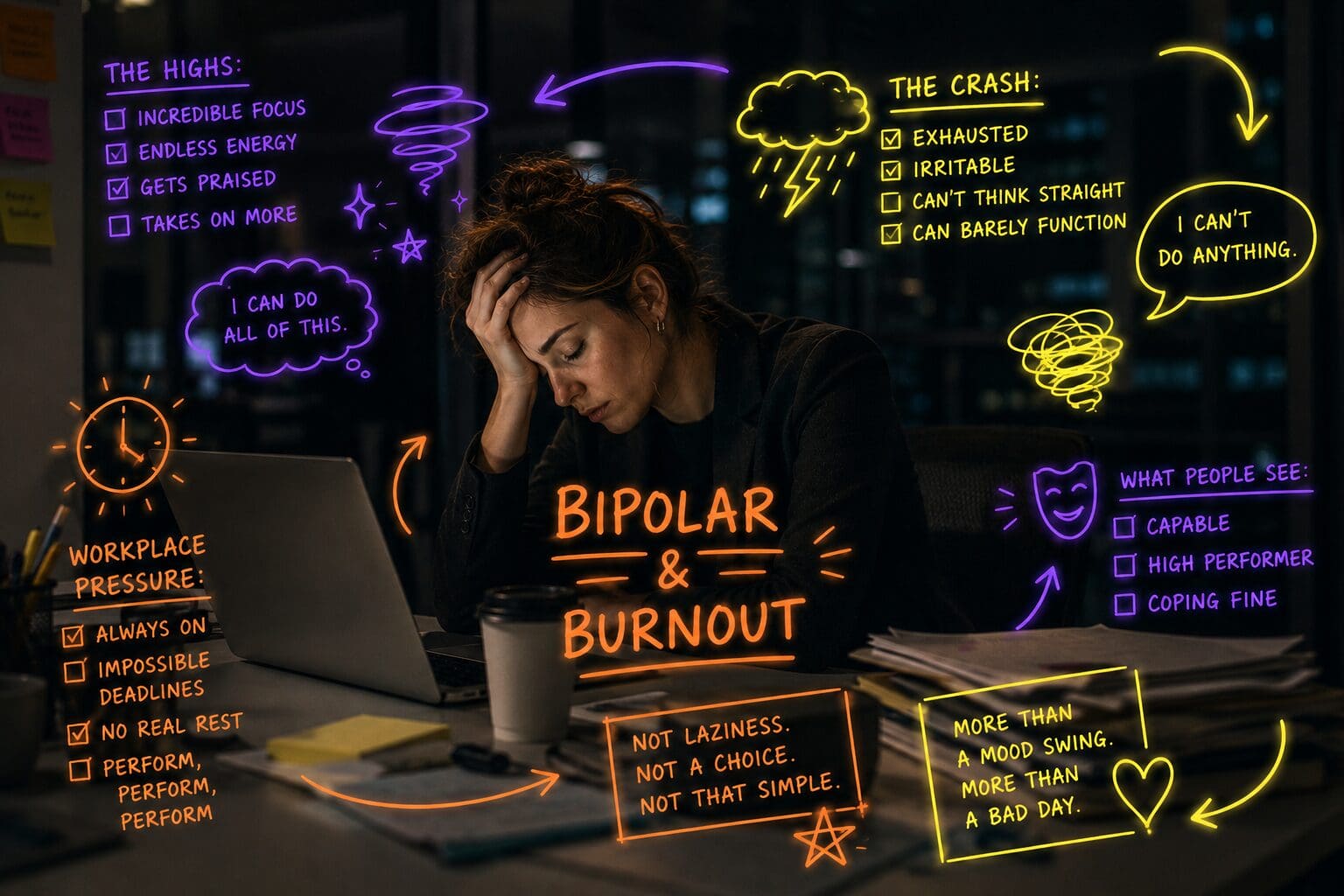
Because here’s what happens: you come home after a crap day, Susan’s made another passive‑aggressive comment, your boss has loaded on extra work, and of course you’re not strolling in all calm and centred. No one would be.
But there has to be a way to stop letting this stress seep into our relationships and drain the joy out of them. Because partners are supposed to be the people who help you breathe again, not add to the pile.
Dr Maxine Campion is a Clinical Psychologist and founder of Relating Psychology, works with how we form relationships with everything in our lives, such as food, work and most importantly here, the humans we care about, even if we snap at them when life gets too loud.
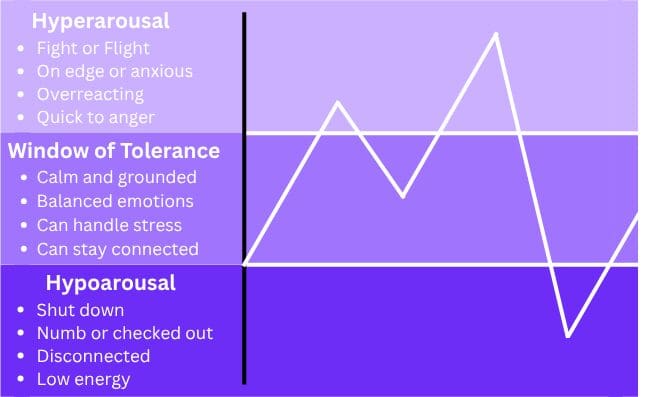
She breaks it down with a theory that explains what happens when stress gets feral and everything goes to shit, including our relationships: the window of tolerance.
She says: “Think of it like a window that holds life’s everyday ups and downs. Everyday stresses go up and down, and ideally we stay within that window, that’s when we can cope.
“But what can happen is that our window can get smaller, the stresses haven’t changed, but our ability to tolerate them has changed.
“So mental fatigue and burnout from work or exhaustion from work is going to make your window shrink. It means that you’re less available and you can cope less with the everyday ups and downs of relationships.”
Translation: when your window of intolerance shrinks the little things you would usually brush off suddenly feel like a threat. For example a minor row can send you straight into fight or flight, or make you shut down – a completely human reaction.
But inevitably, it can end up shaking the relationship.
Dr Campion says that when your window of tolerance is at its absolute narrowest, it’s crucial to keep expectations for connection realistic.
“If it’s an acute week, for example, if you’re a teacher and you’ve got Ofsted in, then we need to drop our expectations and be like, you know what, this week might be a shit show, we accept that, we expect that, and then we’ll come back to each other,” she says.
“If there’s a lot of pressure on yourself or from your partner to do these perfect, amazing dates, and that’s another place that burnout’s coming from, then that’s gonna just make your window smaller rather than bigger.”
But with expectations lowered, what are the small ways we can actually connect that don’t feel like one more thing dumped on the to-do list that is already eating us alive?
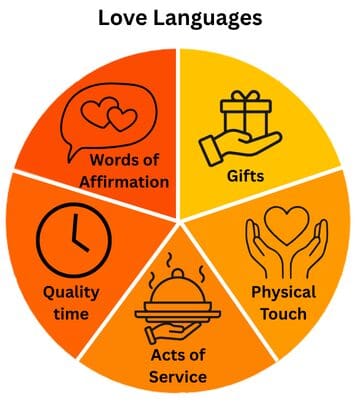
Dr Campion says: “Have you heard of love languages? Thinking about what each of you appreciate, what’s meaningful to the other, and noticing when your partner is trying to show that can be really valuable.
“Saying please and thank you, or saying ‘I noticed you did this, I really appreciate that’, can be massive.
“Being tactile, as long as it’s accepted and consensual, just a hand on the shoulder or a little stroke or there’s evidence that slightly elongated hugs can also be very valuable.”
As simple as it sounds, she says practising real listening – listening to understand rather than to jump in – makes a real difference.
She says: “We grow up needing other humans to survive. We’re a social species, so what we as a society have decided to do is mate, usually with one other person. That one person then becomes incredibly important to us because they’re our attachment.
“When that person hears you, it means that they’re on your side and you feel like you’ve got someone in your corner. That is critical, and that can really lower stress just to feel like, okay, this person’s with me.”
Even just repeating their words shows you actually understand them and that you’re backing them, not warming up for bloody debate club.
“If you come home and you say, ‘I had a really difficult day at work, Julie gave me a funny look’, and they go, ‘oh yeah, but did you really?’ You know, ‘she’s not that bad, is she?’ Or, ‘you’ve always got it in for Julie.’ They’re not on your side then,” Dr Campion says.
“But just saying, ‘I can hear you had a really difficult day and Julie gave you a funny look.’ It shows you’re listening.”
Communication is so crucial.
Holding it all in is a fucking disaster, but unloading every frantic thought onto your partner can be overwhelming for them too.
Dr Campion says. “Sometimes people have a way of coming home and venting, and it’s just like, okay, that’s too much. When you get in from work, say hello, hold it for five minutes, and then we’ll talk about your day.
“Using ‘I feel’ statements, or neutral descriptions can be useful. And choose your moment. So don’t do it when you’re already pissed off. Do it when you’re calm and they’re calm.”
Every relationship is wired differently, so not all of these approaches will fit every couple.
Remember: you are not the problem.
Work stress is part of being alive, and the person you love most will sometimes take the hit, that’s just how humans fucking operate.
Dr Campion says: “If you can’t bring things up because you’re going to get shut down and there’s nowhere to go with this, then that’s more cause for concern.”

A relationship is supposed to be supportive. If it isn’t, and you’re the one doing all the work, that could be a sign of a deeper relationship issue.
Because at the end of the day, work might drain you, but your relationship shouldn’t.