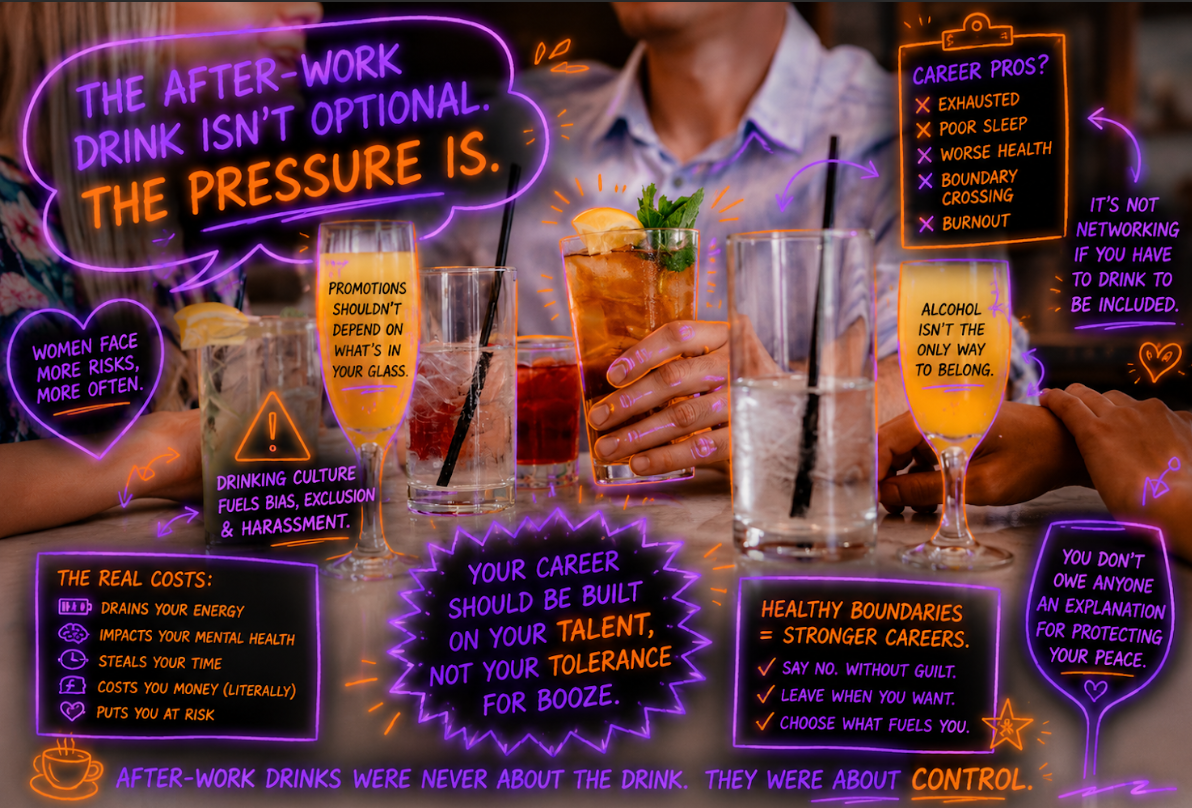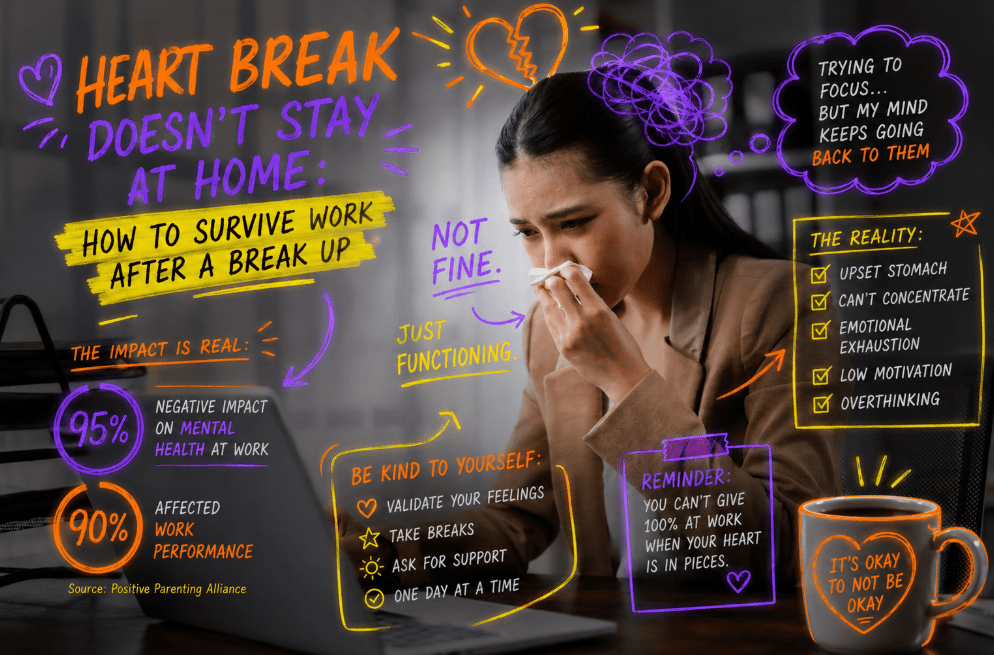
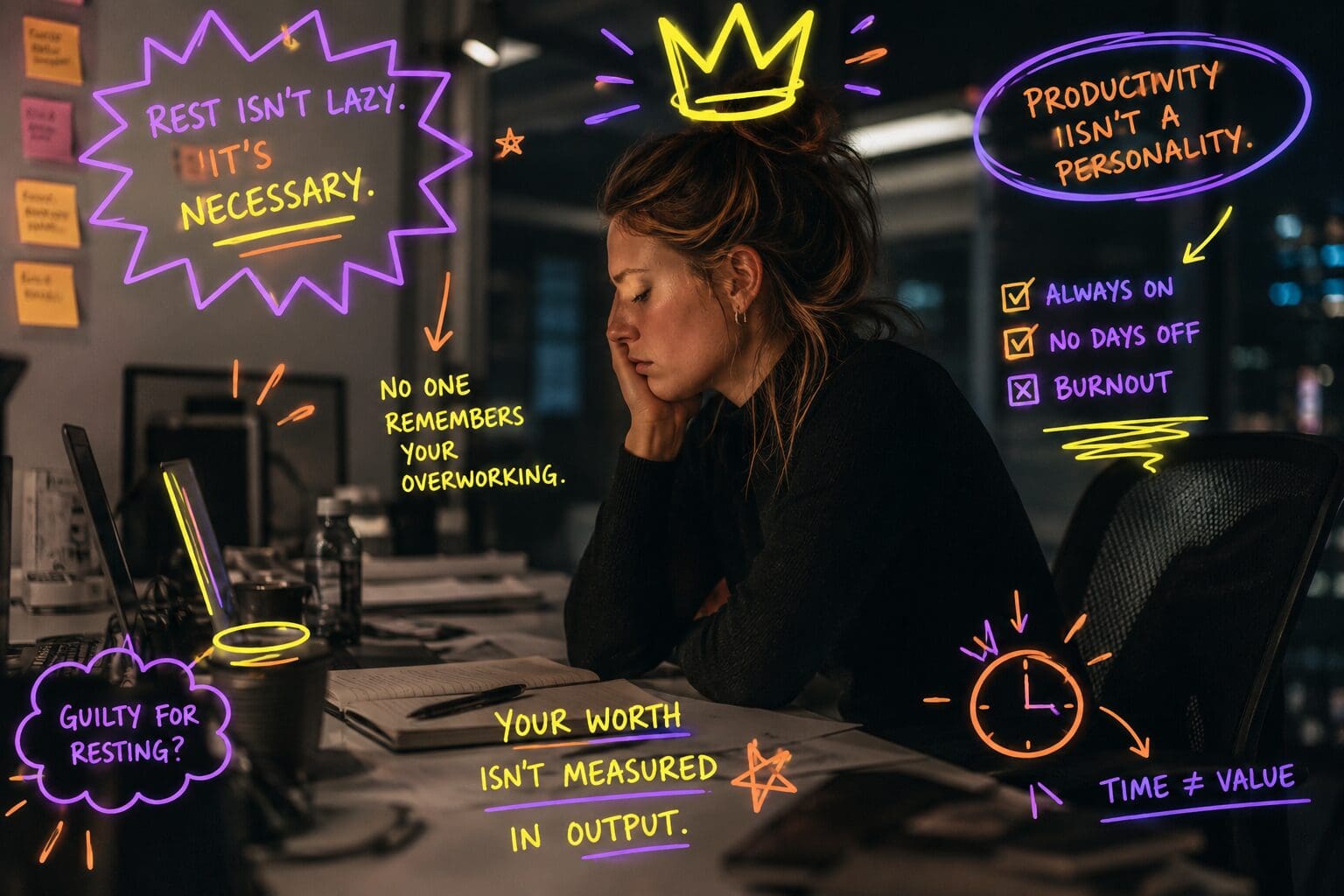

There’s a particular kind of anxiety that creeps in the second you stop doing something productive. You sit down to rest and suddenly your brain starts behaving like an aggressive middle manager. Shouldn’t you answer that email? Fold that washing? Finish that presentation? Read something useful? Optimise yourself somehow?
Welcome to toxic productivity: the exhausting belief that your value as a person is directly tied to how much you can produce before collapsing.
And before anyone says, “well, ambition is good,” yes, obviously. Nobody is arguing that people should stare at walls professionally. The problem is that we’ve built a culture where exhaustion gets treated like evidence of commitment, and rest gets framed as laziness with better branding.
Skipping lunch. Working late. Replying to emails at 11pm. Powering through burnout like it’s a fucking Olympic sport. Somewhere along the line, basic self-preservation became confused with poor work ethic.
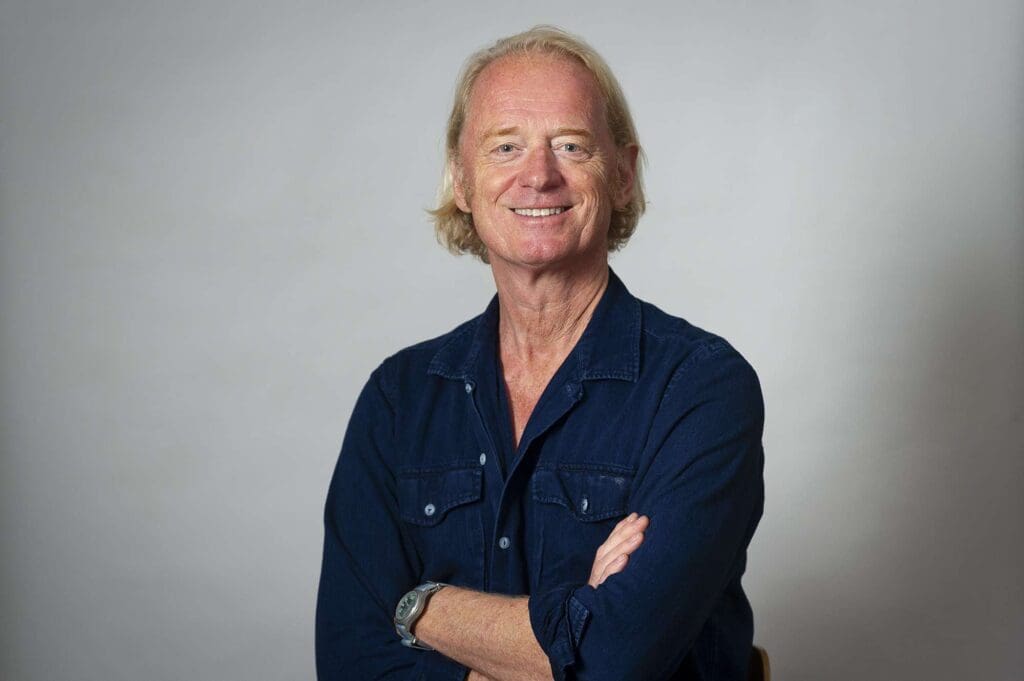
Chris Baréz-Brown, a leadership coach and award-winning motivational speaker, says: “A lot of people in high-demand roles are operating under the assumption that being busy is the same as being successful,” he says. “There is this internalised idea that if you are not working constantly, you are somehow letting yourself or others down.”
Translation: we’ve collectively decided that being overwhelmed looks more impressive than being well.
And the consequences are not remotely harmless.
Dr Natalie Dattilo-Ryan, a licensed clinical psychologist, says the body eventually keeps score whether you acknowledge it or not. “When people never turn off the fight-or-flight response, it can start to harm the immune system, the cardiovascular system, and the nervous system,” she says. “In the short term, it makes people feel uncomfortable in their own skin, more prone to illness, and can strain their relationships. Over time, it can contribute to long-term physical, mental, and emotional harm.”
In other words: your body was never designed to function like a machine running twelve tabs, three deadlines, and a caffeine addiction simultaneously.
Most workplaces now operate with a quiet but relentless expectation: keep going. Do more. Be available. Be efficient. Be grateful for the opportunity to burn yourself out under fluorescent lighting.
For young women entering the workforce, this pressure can feel particularly unavoidable. You’re trying to prove yourself competent, ambitious, dependable, collaborative, enthusiastic, and somehow emotionally stable while surviving on six hours of sleep and a Pret sandwich inhaled between meetings.
And because overwork is so normalised, people often don’t realise how bad things have become until their body essentially stages an intervention.
Chloe Inglis, 21, who worked as a behavioural support reintegration worker in a school, describes how quickly the spiral took over her life.
She says: “I stayed up until half past nine at night planning lessons that might not even happen the next day. I wasn’t sleeping, I wasn’t eating properly, and my personal life revolved around work. It was exhausting.”
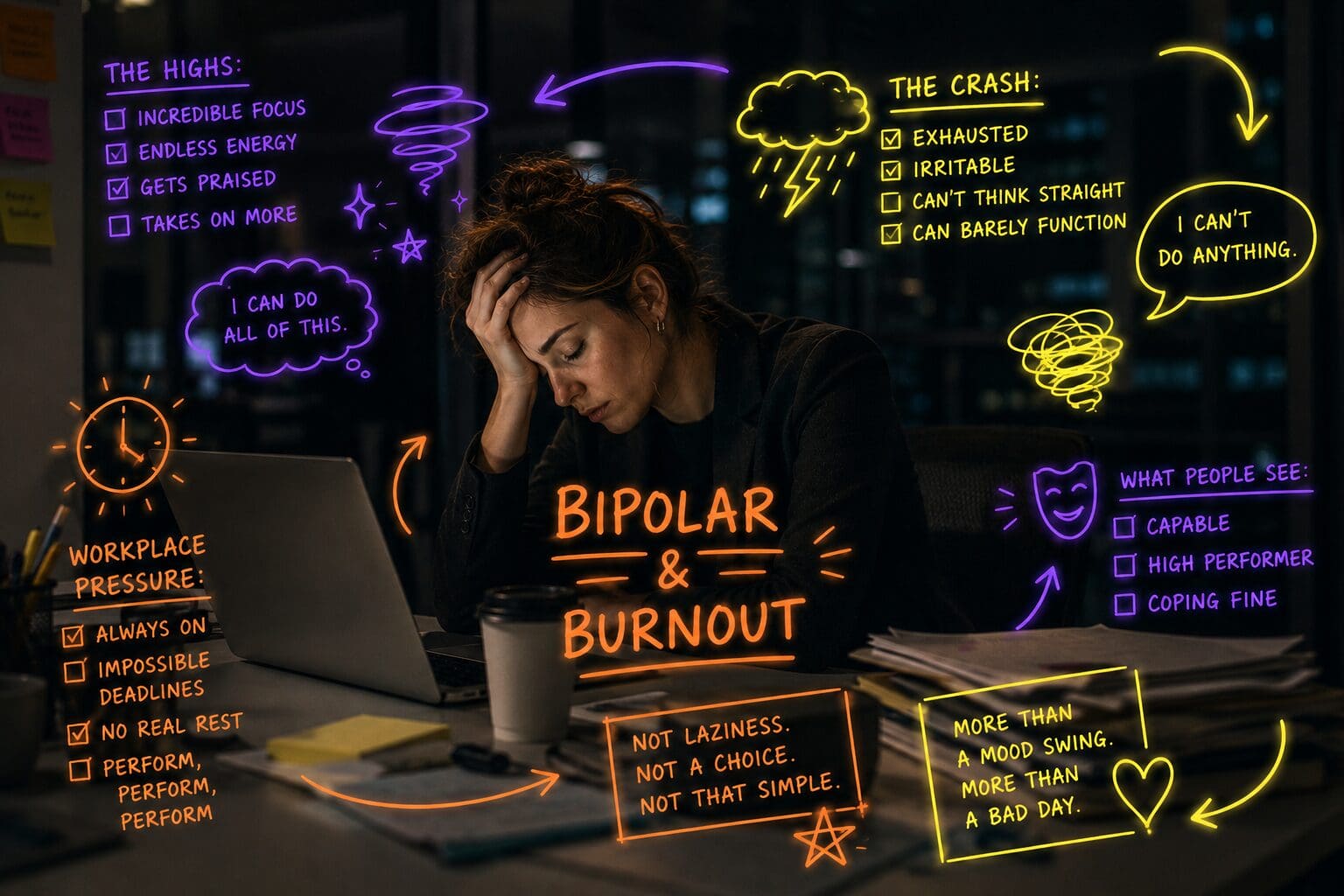
The frightening thing about burnout is how quietly it arrives. You just gradually become a worse version of yourself while insisting you’re ‘fine’.
Chloe says: “I had really visible bags under my eyes, I looked poorly, I looked really sick. I didn’t realise why until the sleep deprivation caught up with me.”
And yet workplaces still reward this behaviour constantly. The employee who answers emails fastest gets praised. The person who never logs off gets labelled ‘dedicated’. The one who says yes to everything becomes ‘reliable’.
Meanwhile, the person who protects their boundaries risks looking disengaged.
Dr Dattilo-Ryan points out that these warning signs are not personal failures at all. They’re “predictable responses to high-pressure environments that reward overwork’.
Which is really the whole issue, isn’t it? We’ve created environments that actively incentivise people to ignore their own limits, then act surprised when everyone becomes anxious, exhausted, and emotionally fried. It’s bullshit.
Here’s the part nobody really talks about: for a lot of people, rest doesn’t even feel restful anymore.
It feels uncomfortable. Guilty. Unproductive.

You finally stop working and instead of relaxing, your brain starts producing a to-do list like it’s trying to win Employee of the Month.
That’s because productivity culture doesn’t just shape schedules. It shapes identity.
Chloe describes how deeply that mindset took hold: “If I was busy, I thought things were getting done. I thought I was doing my job properly. It wasn’t the case, but that’s the mindset you get trapped in.”
And once your self-worth becomes tangled up with output, slowing down starts to feel psychologically threatening.
Mr Baréz-Brown says: “People worry they will fall behind, that they are not doing enough. That fear drives them back into overwork, even when they know it is harmful.”
Which explains why people now “relax” by listening to productivity podcasts while answering Slack notifications.
Even rest has been turned into a fucking performance metric.

For many people, the cycle only breaks when something forces perspective onto them.
For Chloe, that moment came during an already overwhelming period involving both work stress and a toxic personal relationship.
“My best friend’s husband died, and it made me look at life in a different way. I thought, why am I living like this? Why am I putting myself through all of this stress?”
It’s difficult to overstate how common this is. Too many people continue functioning at unsustainable levels until grief, illness, panic attacks, burnout, or emotional collapse interrupts the illusion that they can just keep powering through indefinitely.
And then comes the uncomfortable realisation: nobody was actually asking you to destroy yourself for productivity points.
Chloe says: “I had to step back. I told myself, you can’t help other people if you’ve not helped yourself.”
Simple advice. Extremely difficult to follow in a culture that treats self-sacrifice like professionalism.
One of the biggest lies productivity culture sells is that rest is a reward rather than a biological requirement.
As though human beings are phones that can run permanently on 3% battery if they just believe in themselves hard enough.
Dr Dattilo-Ryan says: “Overwork is a symptom of systemic pressure, not a personal failing. Setting boundaries, taking breaks, and allowing time for recovery are all legitimate and necessary acts.”
Necessary acts. Not indulgences. Not luxuries. Necessary.
Baréz-Brown advocates for something most workplaces are still terrible at understanding: energy management instead of time management.
“You need to allocate your energy to the tasks that truly matter,” he says. “When you run out of energy, stop. That’s not laziness, it’s sustainability.”
Which sounds obvious until you remember many people genuinely feel guilty for sitting down during the day.
Once Chloe started enforcing boundaries between work and home, the changes were immediate.
“I decided that when I went home, I wasn’t working. My home was my home. If I didn’t have enough planning time during the day, it didn’t get done. I told them that explicitly. It was tough at first because I felt like I was letting the students down, but over time I realised I had to prioritise myself.”
And despite every fear productivity culture plants in your brain, the world did not collapse because she rested.
“I’m happy,” Chloe says. “I have energy, I can see friends, I’m not exhausted at the end of the week. I can even handle stress without feeling like I’m going to throw up. It’s natural stress, not overwhelming anxiety.”
That distinction matters enormously.
Stress itself isn’t the problem. Human beings can handle stress. The problem is unrelenting pressure with no recovery time attached to it.
Here’s the uncomfortable truth: many organisations benefit from employees who overwork themselves.
Especially young workers desperate to prove themselves.
Baréz-Brown says: “Companies and schools often operate under the assumption that young, energetic employees will shoulder the load. Changing that requires cultural shift as much as personal choice.”
Translation: burnout is often structurally rewarded until it becomes inconvenient for the employer.
And while there are signs attitudes are shifting, the pressure hasn’t disappeared.
Dr Dattilo-Ryan says: “Right after the pandemic, there was a movement away from work. People started to really question how much of their lives should be spent at work and began prioritising other parts of their lives. It was like an anti-work movement, recalibrating the importance of work in our lives.”
You can see that shift everywhere now: conversations around four-day work weeks, burnout leave, flexible working, boundaries, mental health.
People are finally asking a question that should have been obvious years ago: what exactly is the point of success if you’re too exhausted to experience your own life?
The strange thing about rest is that once you start protecting it, you realise how aggressively the world trains you not to.
Every notification screams urgency. Every workplace claims wellbeing matters right before scheduling another unnecessary meeting.
So resisting that pressure often requires deliberate effort.
Chloe now prioritises sleep, nutrition, hydration, and taking breaks outside. She’s also become better at recognising stress before it spirals completely.
“I worry about slipping back into old habits,” she says. “But I’m much better at noticing when I’m stressed and stopping myself. I can even see it in my friends. We talk about it openly now. It isn’t normal to be constantly exhausted and overworked, and recognising that is empowering.”
Dr Dattilo-Ryan says: “Notice the habits that show you’re caught in toxic productivity working through lunch, skipping breaks, feeling guilty for stepping back,”
She also recommends a simple breathing exercise: “Inhale slowly through your nose for four counts, hold for a moment, and exhale gently through your mouth for six counts. Slowing your breath like this tells your body it’s safe to step out of the fight-or-flight response. Even a few minutes can calm your nervous system, reduce stress, and give you space to make healthier choices.”
The fear of rest isn’t really about laziness. It’s about identity, pressure, and a fucked up culture that has spent decades teaching people their worth depends on how exhausted they are.
We’ve romanticised burnout so thoroughly that people now apologise for taking lunch breaks and feel guilty for sleeping eight hours.
But rest is not weakness. It is not failure. And it is definitely not something you should have to earn through suffering.
Because the reality is this: nobody does their best work while chronically overwhelmed, anxious, sleep-deprived, and emotionally hanging on by a thread.
People perform better when they are rested. They think more clearly. They cope with stress properly. They function like actual fucking human beings instead of overclocked laptops moments away from overheating.
Or to put it less politely: glorifying exhaustion and calling it ambition is bullshit.