

The email arrived close to midnight, shuffled between unread newsletters and expired invoices.
Jenniva Minott sat cross-legged on her grey sheets and clicked the notification, the phone’s blue glow lighting up her otherwise dark room.
There it was, a demo of her first single, To the Moon, alongside a date of release. This was it. This was the moment she’d rehearsed in her head for years.
Jenniva had been drawn to music since her second-grade talent show; now the finger-numbing piano lessons and late-night sessions with producers had paid off.
Performing had always been where she felt the most like herself; on stage, nothing else seemed to matter.
Jenniva would finally be able to build a life around the thing that made her feel most alive.
Or, so she thought.

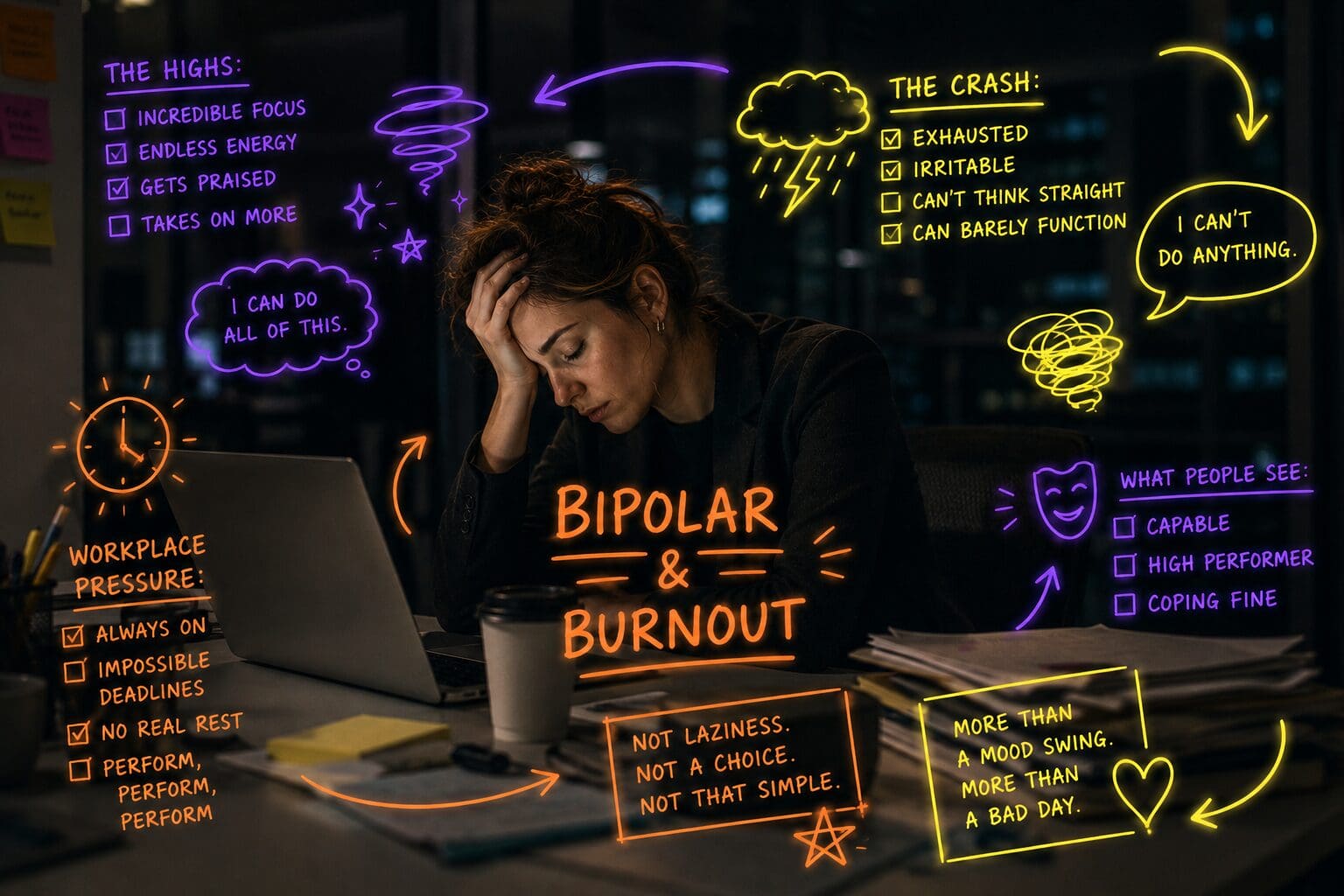
As music became synonymous with income and evaluation, it went from the thing that made her happiest to the root of all her fucking stress.
“I really believed that loving what I was doing would protect me from burnout; I imagined it would give me freedom and stability,” says Jenniva, who is based in New York. “What I didn’t realise was how quickly pressure and expectation can drain what you love. Something I’d cared about since childhood was slowly turning into a source of self-doubt, and it felt like I was losing a huge part of myself.”
From TikTok influencers to Etsy vendors, more and more are chasing careers built on passion, hoping to find fulfilment.
In a Monster survey, 83% of people believed working a passion-related job would make them happier.
For Jenniva, things turned shitty once music became all about visibility and earnings.
“There was so much focus on followers and numbers, which was discouraging when I was putting so much time and emotion into my craft. I wanted it to work out,” she says. “Over time, my confidence took a hit because those figures mattered more than the art itself, which made me feel like who I was naturally wasn’t enough. It was devastating.”

Miriam Groom is an occupational psychologist and the CEO of Mindful Career, an award-winning counselling service ranked number one nationally by Forbes.
Based in Toronto, her work focuses on how our environment and nervous system shape motivation, burnout, and long-term career fulfilment.
“When a passion becomes paid work, the nervous system no longer experiences the activity as restorative. What once felt self-directed becomes connected to responsibility, performance, and survival. Attention shifts outward, creativity narrows, and the nervous system learns to associate it with evaluation rather than expression,” she says. “Creative focus and emotional presence are layered on top of deadlines and economic uncertainty, keeping the body in a prolonged state of vigilance. Over time, enjoyment decreases not because passion disappears, but because the activity no longer feels emotionally safe.”
When a lifelong interest becomes a career, the effects can be particularly intense.
“When who you are is intertwined with what you do, burnout triggers a deeper sense of disconnection from self. Early signs include emotional numbness, heightened self-criticism, and performance-related anxiety,” she says. “Caring deeply about the work masks these warning signals and delays boundary-setting, but nervous system dysregulation appears long before motivation fully collapses.”
While for many the passion-turned-profession pipeline begins in childhood, it doesn’t always manifest as some soul-defining calling.
Often, it starts more casually as a creative outlet or way to survive a boring weekend.
The logic seems bulletproof: if you have to work, you might as well enjoy what you do.
Ruhamah Peabody, a tax accountant and lifestyle creator from Washington, DC, first picked up a crochet hook at 15 to make woolly scarves for a homeless drive.
By 18, she launched a TikTok Shop selling blankets, hoodies, and baby clothes.
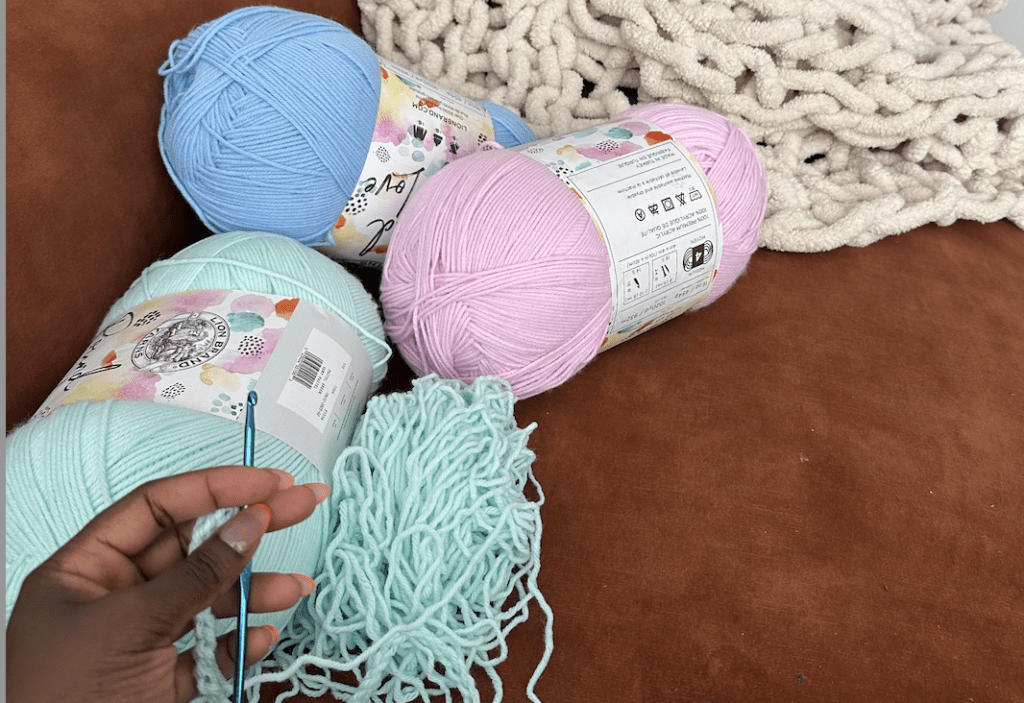
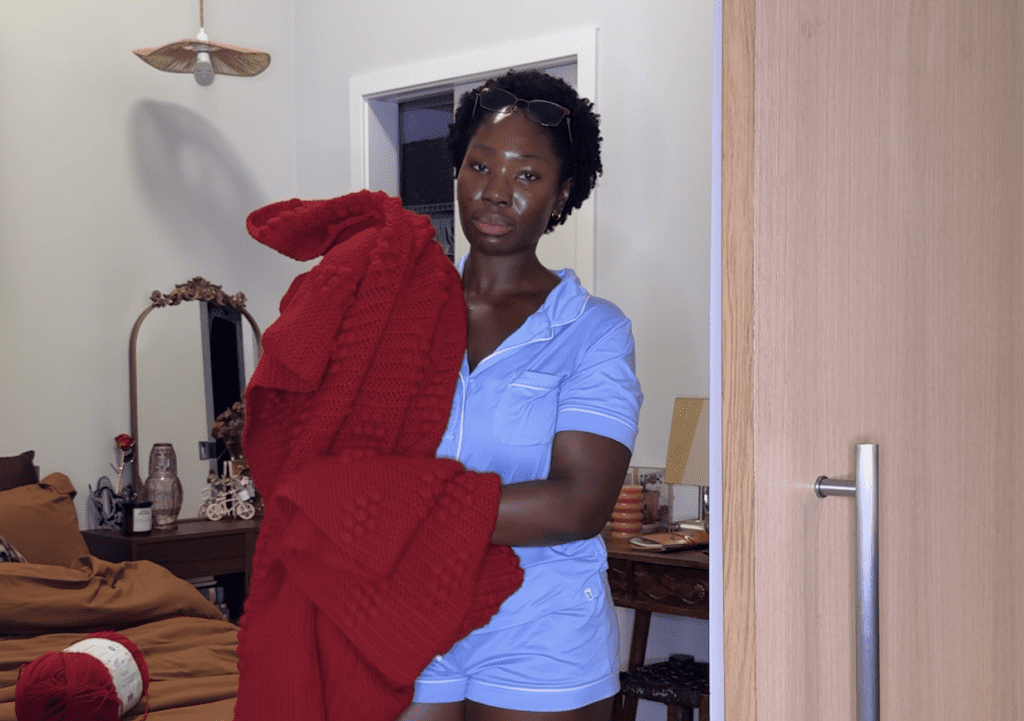
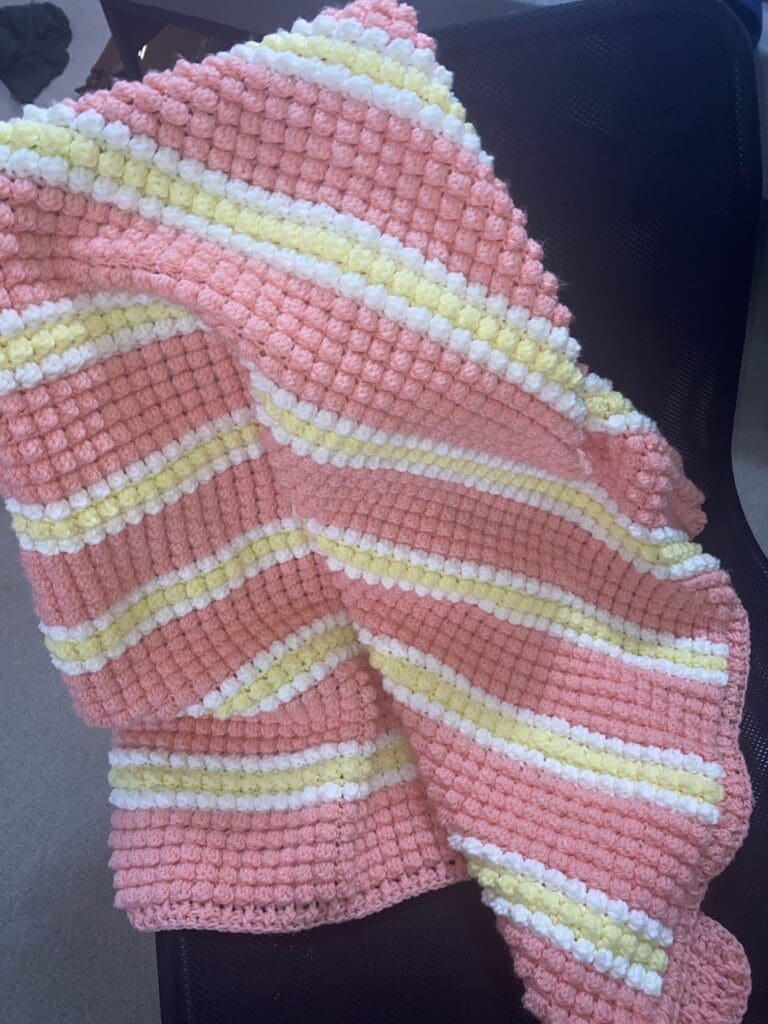
“Crocheting definitely gave me joy. I took pleasure in making things with my hands and challenging myself. It became a form of meditation. I turned it into a business because I expected it would be enjoyable to make money doing something that I loved,” she says. “That wasn’t the case, from having a shop to creating a label for the product, more time was being spent on the business admin front than anything else. I also lost the freedom to choose what I wanted to make. When orders would come in, I wasn’t remotely excited; I just felt frustrated, which made me incredibly sad.”
The constant obligation to produce work was fucking exhausting, and pretty soon there was no enjoyment left.
“I didn’t want to engage in crocheting as a hobby, much less a business. I absolutely was on the road to burnout, I felt drained, I wasn’t feeling as creative, and that was leaking into other areas of my life,” she says. “I wouldn’t advise anyone to turn what nourishes them into a job. I’ve recently reconnected with crocheting, but I’ve promised myself I’d never again turn it into a source of income.”
Of course, passion-led careers don’t end poorly for everyone.
Some are able to sustain their interests and achieve long-term success, like Debbie Fields, whose love for baking evolved into bakeries and best-selling cookbooks.
Still, Jenniva and Ruhamah’s stories prove how monetising a passion can be detrimental to well-being.
Coined Australia’s leading burnout therapist by Elle UK, and founder of the business mentorship practice Savasana Collective, Brisbane-based Sheena Schuy works closely with high-performing creatives and entrepreneurs.
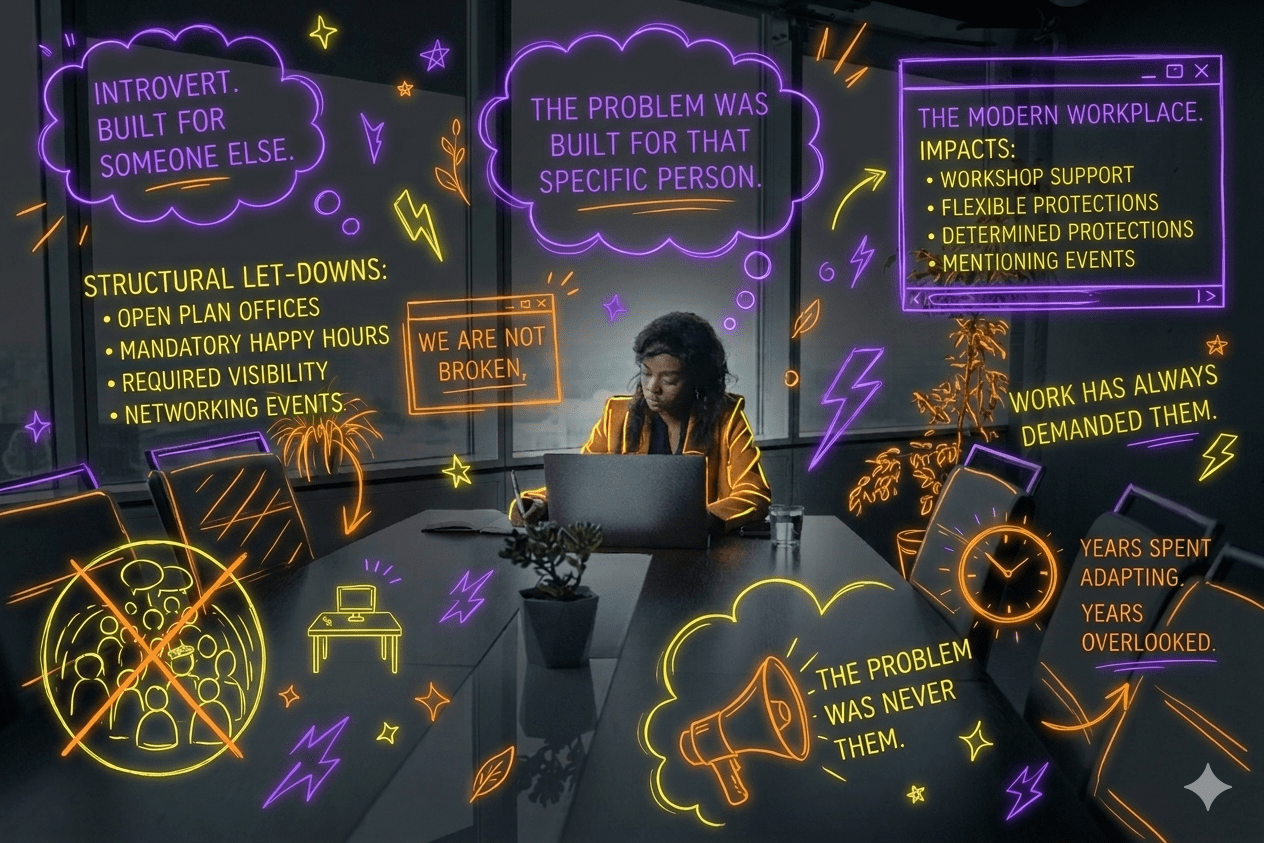
“We have to decouple our identity from our employment; otherwise, happiness is tied to professional success. What you do is not who you are, and staying balanced means knowing exactly how much of a passion you can give before it exhausts you, then holding firm to that limit,” she says. “Ask yourself, is this making me anxious, or is this bringing me joy? I always see anxiety as a precursor to burnout, and if you ignore that feeling because you think it’s just part of the job, it can quickly manifest as a physical or mental health crisis.”
Passions are vital for maintaining well-being.

“When we engage in activities purely for enjoyment, our brain gets a chance to turn down and refocus, which helps keep creativity and motivation alive,” she says. “They also offer a necessary break from work life, which can help you cope with feelings of overwhelm, improve your mood, and perform better professionally. There should be at least one thing in your life that exists just for your joy.”
But what do you do when you realise you might need to walk away from your so-called dream job?
Jenniva eventually stepped back from music in 2021.
“After I released my single In Control in 2021, something really shifted. It was the first time I invested so much of my own money into a song and video. I was convinced that was going to be the moment everything changed. When it flopped, it was heartbreaking,” she says. “I went through a real identity crisis and had to figure out who I was without music being the centre of my life.”
Subira Jones is an award-winning life coach specialising in burnout prevention and an international TEDx speaker.
Based in London, she has experience spanning companies from Disney to Mind, helping employees realign their careers and lifestyles without burning out.
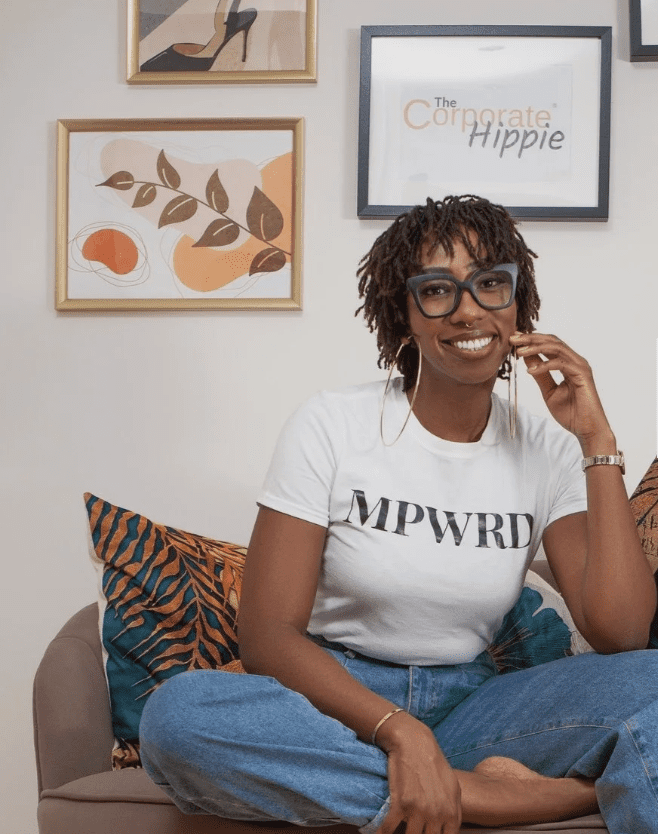
“Walking away from a job that’s no longer fulfilling is a form of self-preservation and growth; careers don’t have to be linear,” she says. “I view each role as a chapter, and stepping back isn’t failure – it’s the beginning of a new one. You have to let go of the need to prove yourself to become the author of your own story and move forward.”
We won’t bullshit you – it’s not easy, and, obviously, not everyone has the privilege to leave a job right away.
For those who can’t, Subira offers advice on how to make things more manageable.
“We can either live life on autopilot, or we can decide to create systems that are intentional and functional. If leaving isn’t an immediate option, that doesn’t mean you’re stuck. Create an exit strategy. Get clear on the life you want to live and who you want to be, then identify what job you can transition to that will help you get there. Writing it down or creating a vision board makes it tangible and gives you something to keep coming back to,” she says. “If your passion no longer serves you, it’s okay to step back and find a new purpose. Taking back your personal power means allowing yourself to return to the drawing board without guilt. From there, focus on small actions each day that move you closer to where you want to be.”
While the promise of “do what you love, and you’ll never work a day in your life” sounds comforting, it isn’t always that simple.
Passion doesn’t cancel out pressure, and professional exhaustion won’t disappear because you enjoy what you do.
You don’t have to abandon ambition altogether, but it’s important to recognise that monetising an interest might come at a cost.
Today, Jenniva is a TikTok influencer with 129 thousand followers. She still makes music, but on her own terms, accepting that commercial success doesn’t define her.
@itsjenniva
So, follow your passion if it feels right, but remember, loving something doesn’t mean it needs to carry the weight of your livelihood.