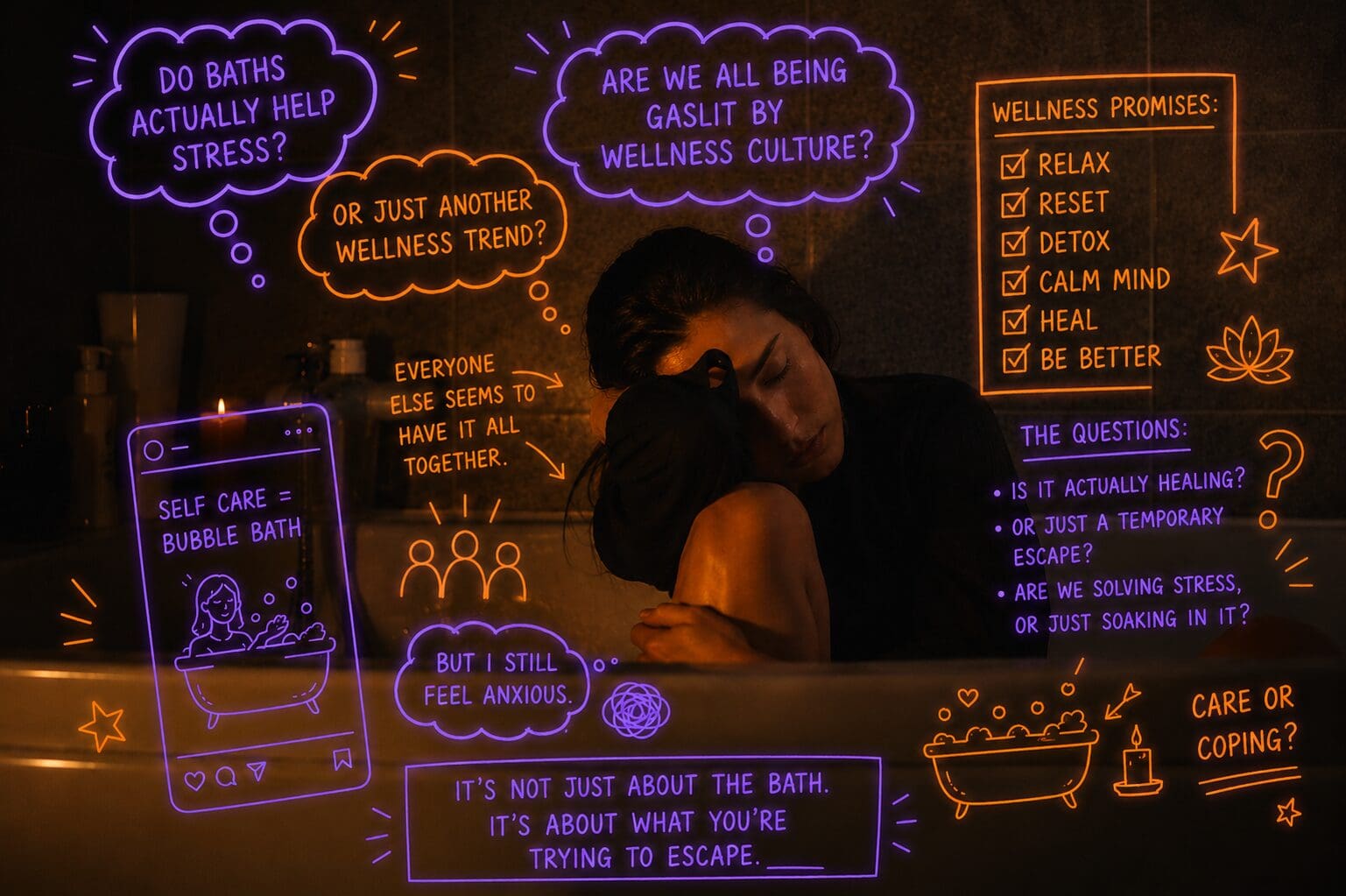

Baths have basically been crowned as the patron saint of self-care culture. Stressed? Take a bath. Burnt out? Bath? One passive aggressive email away from losing your entire will to live? Apparently a bath fixes that too.
Stress Management Trainer, Louise Sanders, says: “At its core, stress is a disharmony between the sympathetic nervous system, your fight or flight mode, and the parasympathetic nervous system, your rest and restore mode.
“So managing stress really comes down to regulating your nervous system and bringing those two systems back into balance.”
If stress really is about an off‑balanced nervous system, can something as basic as a bath actually make a difference, or are we just parroting the same cosy, feel‑good crap everyone swears magically fix everything?
Clinical Psychologist, Dr Josh Briley, is an associate of the American Institute of Stress due to his expertise in stress management.
He says: “Benefits of baths have been studied for decades, and research consistently shows that they have a positive impact on stress and anxiety.
“Immersion in warm water has been shown to have a significant impact on the body and brain. In essence, our muscles relax, our breathing becomes deeper, blood circulation improves, and our hearts pump blood more efficiently.”
Beyond the physical effects, Dr Briley says having a bath can help us switch off and slip out of the all encompassing ‘work mode’.

“Taking time to bathe after work can be symbolic of ‘washing away’ the cares and problems from work to mentally and emotionally prepare oneself for home life.
“Such a reset can help one be more mindful and present with families and friends and provide a clear distinction between time to think about work issues and time to put them aside.”
Part of a bath’s appeal is that it taps into an existing habit rather than demanding a new one, enhancing a daily wash is a hell of a lot easier than committing to some shiny new wellness ritual.
However, a Sanctuary Bathrooms survey found that 59% of UK adults prefer showers – hardly shocking when they’re quicker and cheaper, basically the “I’m too busy for this bullshit” option. But stress‑wise, can a shower actually compete, or is it just the fast‑food version of self‑care?
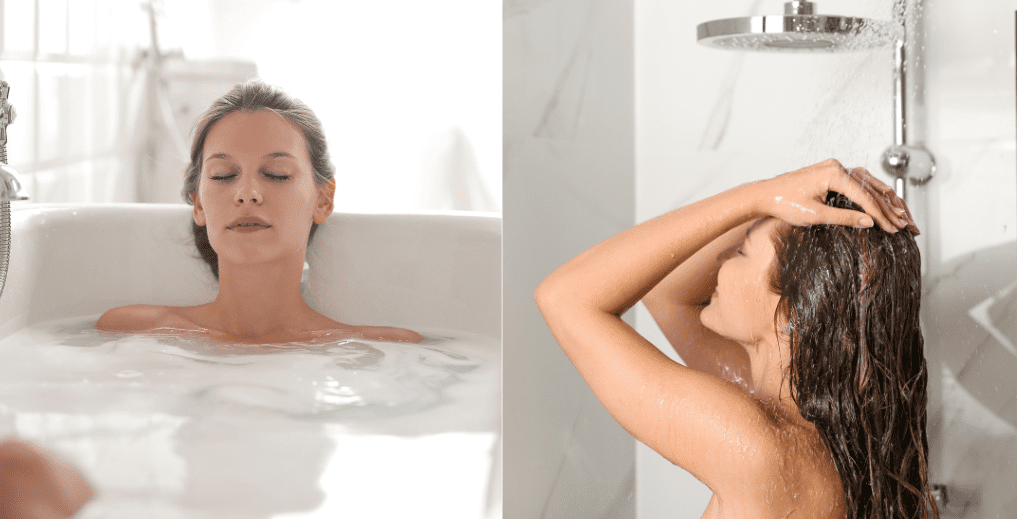
Dr Briley said: “Showers do have some of the benefits of bathing, however, they are not as great as seen with baths, as the exposure to warm water is more concentrated to smaller parts of the body rather than a full immersion.”
So baths might have the edge over showers, but stress is such a feral, unpredictable little bastard that expecting one soak to settle everyone feels optimistic.
Louise Sanders founded The Stress Experts, a coaching service that helps clients manage stress to improve their wellbeing. She emphasises that stress is not only shaped by the daily chaos life decides to chuck at you, but by your whole internal framework. How you see yourself, how you interpret the world and the past experiences that taught your body exactly what to freak out about.
As she puts it: “When you feel comfortable and safe, that’s when your stress goes down. But if you’re stressed out and someone tells you to take a bath, and, for example, you don’t have time, or your kids are going crazy, having a bath isn’t going to help. You’re not relaxed, so your nervous system won’t just automatically settle.”

Sanders notes that for some, resistance to certain self-care methods can run even deeper.
She says: “I’ll give you an extreme example. If you were a young child and got burned in a bath because the water was too hot, your nervous system might have made the association that baths equal danger.
“Later in life, someone might tell you to take a bath to reduce stress, but your body reacts differently. You might not like baths and not know why; you just feel it in your body because of that association.”
However, Sanders does say that for a lot of us, sensory practices like baths are genuinely great for helping the nervous system chill out.
She says: “Sensory activities help bring to the present moment. When we can tune into our senses, what we hear, smell, touch, like the warmth of the water, it helps bring us to the present moment. We’re not thinking about the past and we’re not thinking into the future.”
Harvard research says constant doomscrolling on social media keeps your brain stuck in high-alert, fuelling stress and burnout. A bath actually breaks that cycle, because even the most unhinged scroller isn’t about to sacrifice their phone to the bath gods.
Maddison Gordon, 27-year-old photographer and content creator, often shares bath content on social media, and loves them as a rare chance to ditch the phone, unwind and sit with her own brain without notifications fucking screaming at her.
She says: “I find baths a great escape from work as they force you to take time alone to relax in your own thoughts without devices and scrolling. It’s like your own little spa moment, at home and away from any distractions. They give your mind a chance to shut off and clear out any negative thoughts.”
To upgrade the simple, basic bath into a real, intentional bit of self‑care, Maddison takes a few easy steps.
She says: “Drawing a bath can be simple if you’re low on motivation. I always light a few candles, dim the lights and put calming music on.
“I also like to exfoliate my body and sometimes take tea or a snack in with me. I’d also recommend adding a bath pillow and bath tray to lay your candles, foams or snacks on.”
@maddisongordon_ the best way to wind down 🛁🕯️☁️ #eveningroutine #nighttimeroutine #bath #neom #eveningvlog #nightroutine #destress #howto #wellbeing @NEOM Wellbeing ♬ Beach baby – Amber Rought
Yet the same stillness that relaxes some people can make others want to climb out of their own skin, which is where the psychology of bathing stops being cute and starts getting complicated.
Cathy Constable is a Senior Lecturer in Mental Health Nursing at the University of Essex, following 20 years of clinical practice. She has expertise in the neuroscience of stress management, as well as non-medical approaches to looking after mental health.
She says under high stress, we basically become our own worst bully, and a quiet bath can turn that into a full internal shit‑show rather than a moment of peace.
She says: “Being naked in a bath can make some people feel vulnerable, which makes it easy to be self-critical. In the stillness of a bath we have no armour and there’s time to look at ourselves and for our thoughts to focus on our body.
“We become more aware of ourselves and our physical existence, which for some, might make them more stressed.”
Cathy also makes it clear that, yes, baths help in the moment, but they’re not some holy cure‑all, they shouldn’t replace deeper work required to address ongoing stress.
She says: “If you’ve had a stressful day, a bath is a great short-term stress relief for some people. However, if you notice you’re feeling stressed often, just having baths isn’t going to be a long-term solution.
“We need to look at the root causes of our stress and try and plan how you can tackle it, often using several approaches which may include seeking professional help.”
With social media drowning us with wellness tips, it can be tough to figure out what will truly support our wellbeing and what’s just bullshit in a pastel font.
Cathy says: “I think people do feel like they are failing if they don’t meet the wellness standards they are faced with, but we should always listen to our body’s resistance.
“Pushing through may create dissonance where your brain is saying ‘I don’t like baths,’ but you are forcing your body into a bath. This is counterproductive and may increase stress. Instead find better ways of relaxing that suit you.
“After all, the best type of self-care activity is going to be one that isn’t a chore, so try and cultivate your self-compassion and do activities you enjoy.”
There’s solid evidence out there that shows that baths can genuinely ease short‑term stress and help you unwind after a day of nodding through Teams calls like everything’s absolutely fucking peachy. But they’re not a long‑term fix, and they won’t work for everyone, no matter how many candles you light.
If baths just don’t feel right for you, there may be a reason your body reacts that way, and there’s no point trying to force it. What matters most is finding the practices that genuinely support your wellbeing, rather than feeling swayed by what other people swear by or what social media insists should work.