
For most of her life, my Gran believed she wasn’t trying hard enough.
“At school, I was the girl who copied the board carefully, only to be told my work looked rushed,” she says. “As a woman, I double-checked every letter I wrote, anxious about spelling mistakes I couldn’t quite explain.
“In my career as a teacher, I remember having to work longer hours than my colleagues. Not from ambition, but necessity. Everything took longer. Everything required more effort.
“No one ever suggested dyslexia.”
And her story is painfully common.
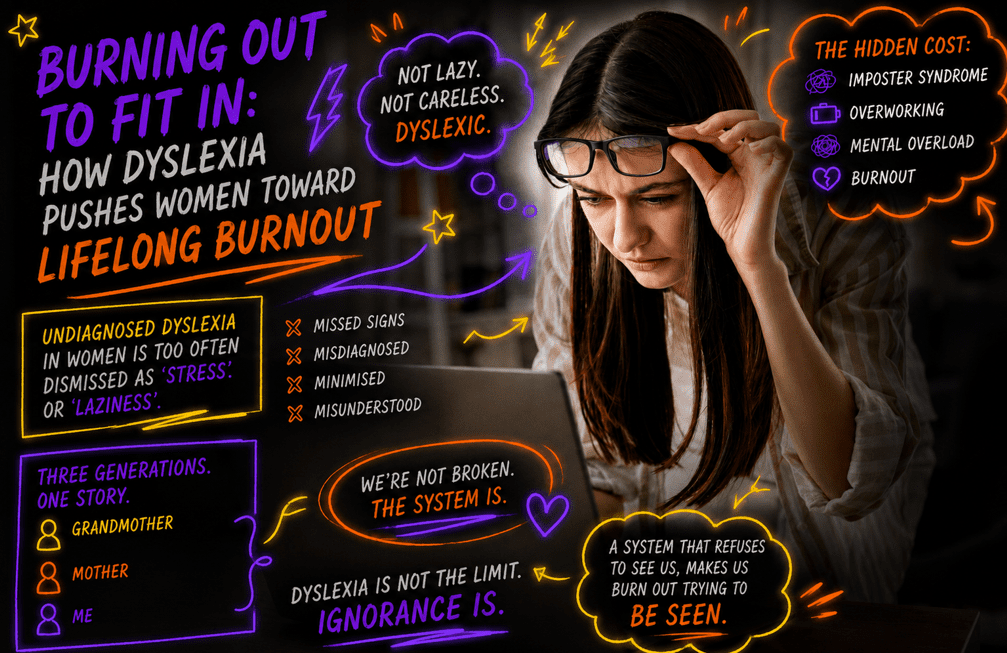
For decades dyslexia has been underdiagnosed in women, hidden behind coping mechanisms and the pressure to ‘fit in.’ The cost? It’s not only missed diagnoses. Oh no, it’s chronic stress, imposter syndrome, and burnout women never should’ve had to fucking carry.
For my Gran, my Mum, and myself this pattern repeats, each of us forced to navigate a world that wasn’t designed for how our minds work.
“My teachers just thought I was slow,” my Gran says. “Not disruptive, not difficult, just… not bright.
“Growing up, learning differences were rarely discussed, I developed my own strategies. I memorised instead of reading. I avoided situations that required writing. I relied on verbal communication and routine.
“I learned to hide it, that was the main thing, ‘don’t let anyone notice.’”
But hiding takes its toll. Without understanding her difficulties, she internalised them.
“Mistakes felt like personal failures,” she says. “Tasks that others completed quickly became exhausting marathons.”
She became a teacher anyway, shaped by her own struggles in education. But the job only intensified them.
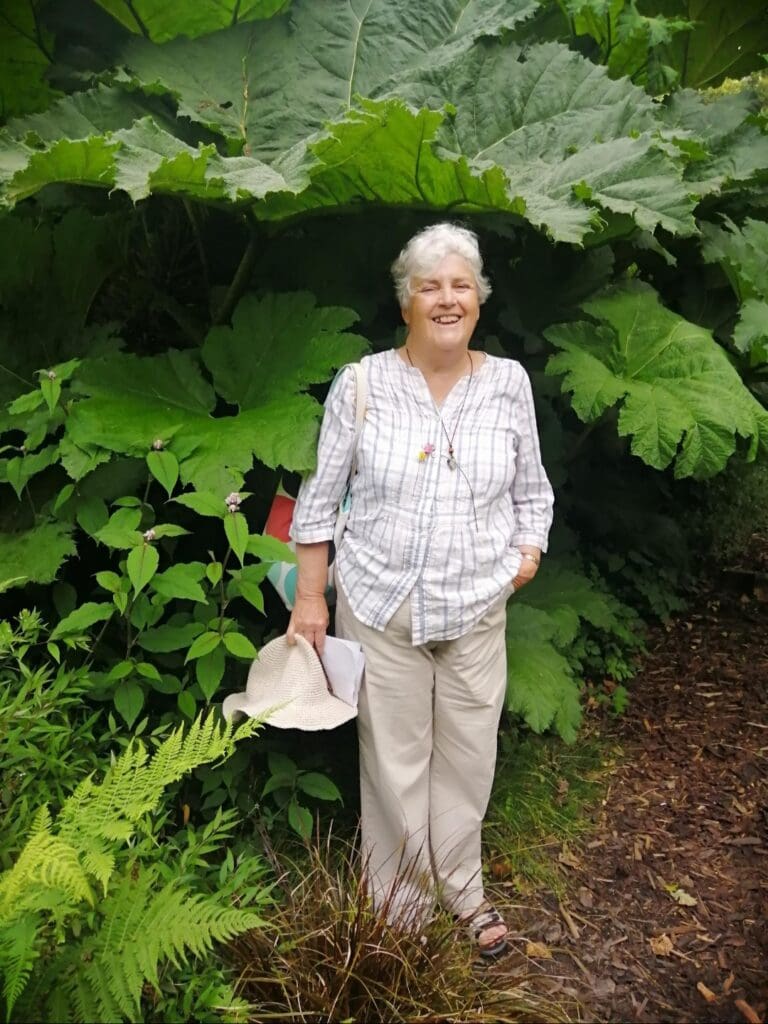
“Every lesson plan took longer. Every piece of marking demanded intense concentration. Every report was rewritten multiple times to avoid mistakes I couldn’t always predict.
“I used to stay late, long after everyone had gone. I was always tired,” she says. “Not just physically, but mentally. Like my brain never switched off.”
When my Mum reached school, awareness of dyslexia had improved, but girls were still routinely overlooked.
“I wasn’t failing,” she says. “That was the problem. I was average enough to be ignored.
“My teachers always said I was capable but inconsistent. Bright, but careless. Hardworking, but prone to avoid certain tasks.
“I would spend hours on homework that should have taken thirty minutes, I thought that was normal.”
Specialists now recognise that girls are more likely to mask dyslexia by overcompensating, reading slowly but accurately, relying on context and throwing in extra hours just to meet expectations the system never adjusted for them.
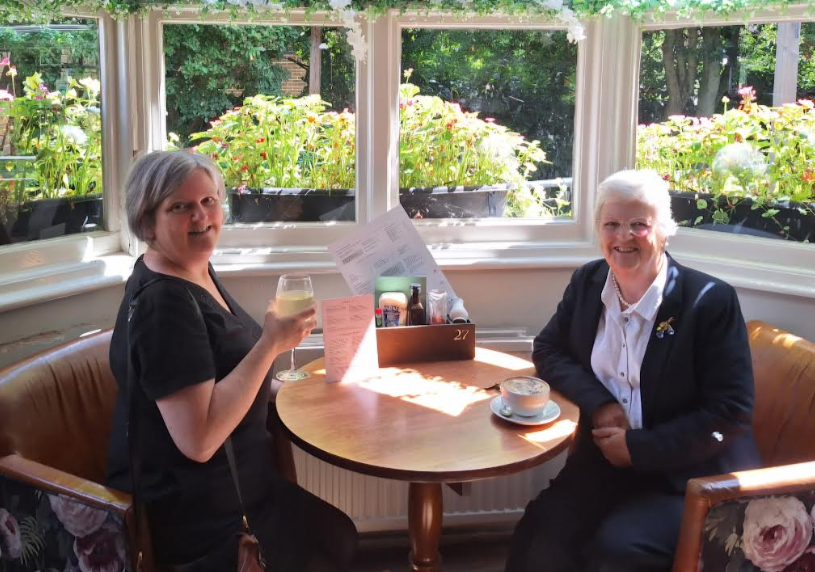
One educational psychologist from the British Dyslexia Association says: “Girls with dyslexia often fly under the radar because they’re compliant. They don’t disrupt classrooms, and they work incredibly hard to compensate. That effort can conceal underlying difficulties for years.”
For my Mum, this followed her into adulthood. As a technology manager, she appears dependable and meticulous, but behind the scenes she works twice as hard.
“I can’t just skim an email,” she says. “I have to read it multiple times. Writing reports is exhausting. I stay late to make sure everything is perfect.”
But she didn’t see the neurological difference, she saw a personal failing.
“I just thought I wasn’t as efficient as everyone else,” she says. “So I kept trying harder, until I burned-out.”
For many women with undiagnosed dyslexia, burnout doesn’t hit all at once, it stacks up. It shows up as shrinking confidence at work and that relentless fear of being ‘found out.’
Carla Welsh is a workplace wellbeing specialist from Inspirational Women in Industry.
She says: “Burnout in neurodivergent women often stems from sustained overcompensation. They’re not solely doing their job, they’re managing in an environment that doesn’t recognise them. That’s a double workload.”
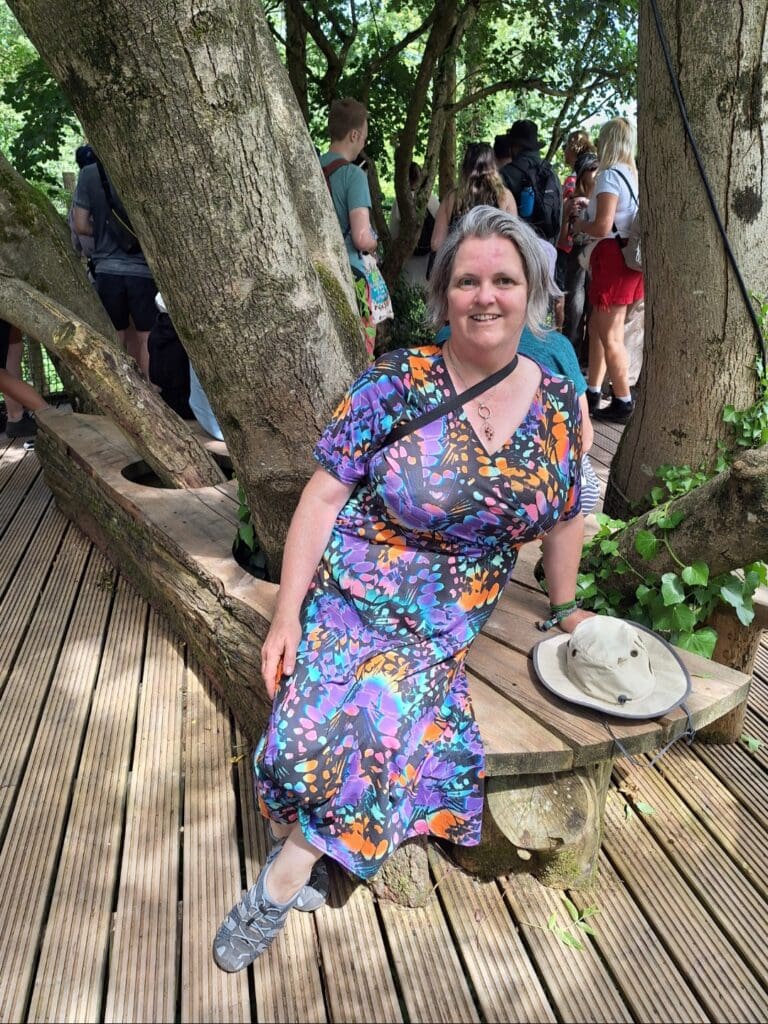
For my Mum, burnout meant chronic stress.
“I hit a point where I couldn’t keep up without overworking,” she says. “So I just overworked.”
For my Gran, it was quieter. “I stopped putting myself forward, it was easier.”
The suggestion of my dyslexia came earlier, but still later than it should have. I performed well enough in school to well enough to slip under the radar, all while battling the fucking shame of feeling like I was always one step behind.
I remember thinking, ‘I must be stupid. Why is everything so much harder for me than it seems to be for everyone else?’
At university, the difficulties don’t magically disappear. The reading is endless. The deadlines are brutal. The expectation is independence, speed, fluency. Even now I find myself spending disproportionate time and effort on work.
The difference is not the struggle, it’s the awareness of it. Diagnosis can bring clarity, but also grief.
“I think I would have been kinder to myself,” my Mum says.
“There’s a sense of lost time, wondering what might have been different if I had known earlier.”
The system is to blame for the underdiagnosis of dyslexia in women. Diagnostic models were historically built around men, disruption, acting out, obvious academic difficulty, while girls are socialised to adapt and conceal.
As a result, many develop narratives of ‘I’m not good enough. I need to try harder’.
And these beliefs shape confidence issues that last a lifetime.
What appears as resilience is often something more fragile. Perfectionism and overworking can achieve success short-term but are rarely actually sustainable.
“You can’t maintain that level of effort forever,” Welsh says. “Eventually, something gives. For some, it’s their health. For others, their career progression. Many simply reach a point where the effort required outweighs the rewards.
That sense of precariousness is unnervingly common.
“I was constantly on edge,” my Mum says. “Even when I was doing well, it didn’t feel secure, it felt like I was just about keeping up.”
Awareness is improving. More women are being diagnosed in adulthood, and workplaces are slowly waking up to neurodiversity. But the progress is inconsistent, and countless women are still slipping through the cracks.
For families like mine, that impact spans generations.
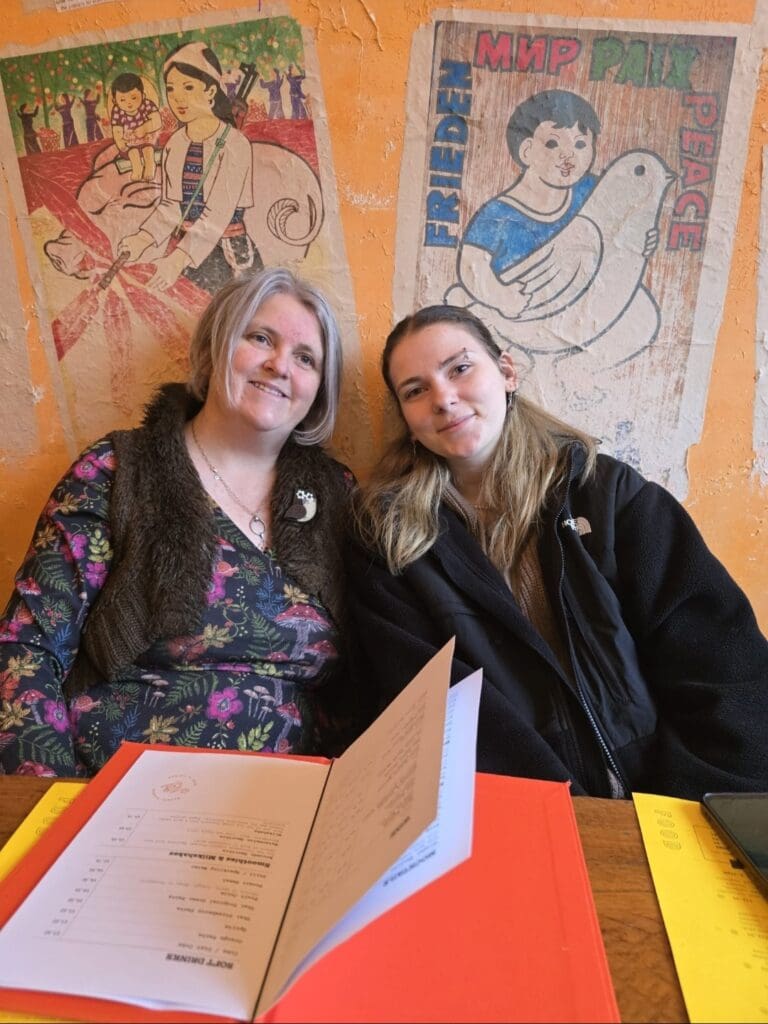
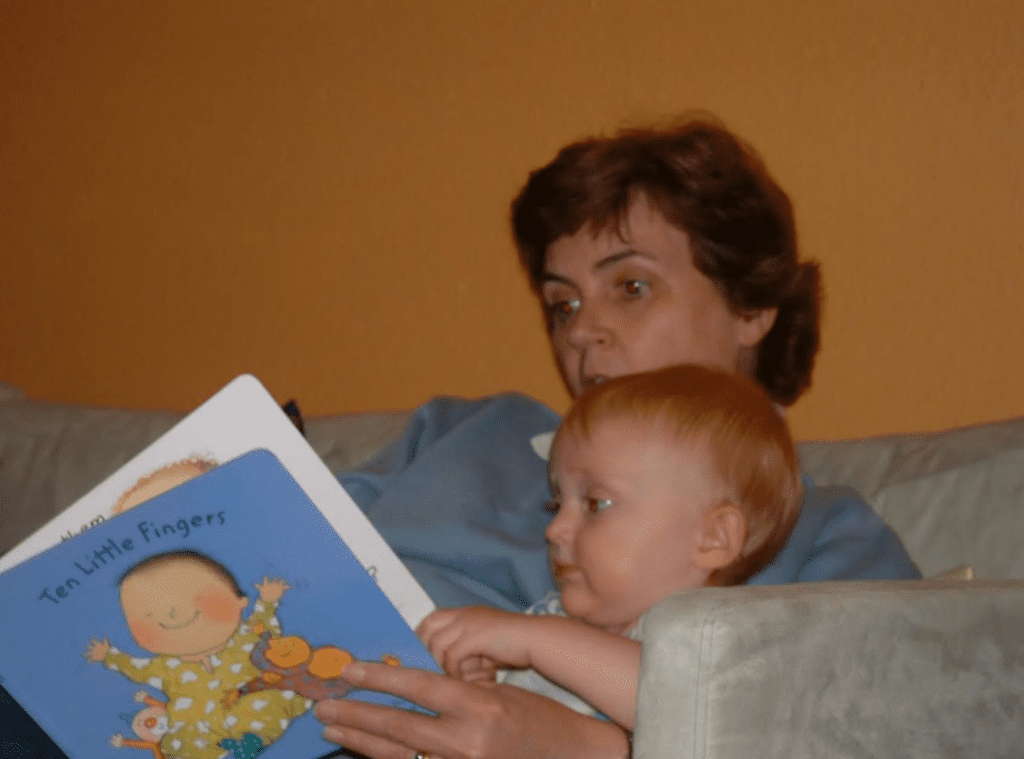
“My granddaughter has it too, doesn’t she?” I remember my Gran saying, not as a question, instead as recognition.
That moment holds the possibility of change, not just being seen, but finally getting achance to rewrite the narrative.
Understanding dyslexia doesn’t remove its challenges, but it reframes them. It shifts the focus from personal failure to difference, from hiding to working with it.
I would not change how my brain works, but I would change how the world responds to it. That begins with recognising the signs in girls and women, and redefining what counts as ability, intelligence, and success.
For my Mum and Gran, that shift came late, but it still matters.
“I wish I’d known why I felt different,” my Mum says again. “But I’m glad you do.”
The real cost of underdiagnosis is not just missed support. It’s years wasted believing that you are at fault, rather than a society misunderstanding your neurology.
It’s a lifelong issue. It shapes how women see themselves, and too often it leads to burnout.

Across three generations, my family’s story is not one of failure, but of endurance.
The question is no longer whether women like my Mum and