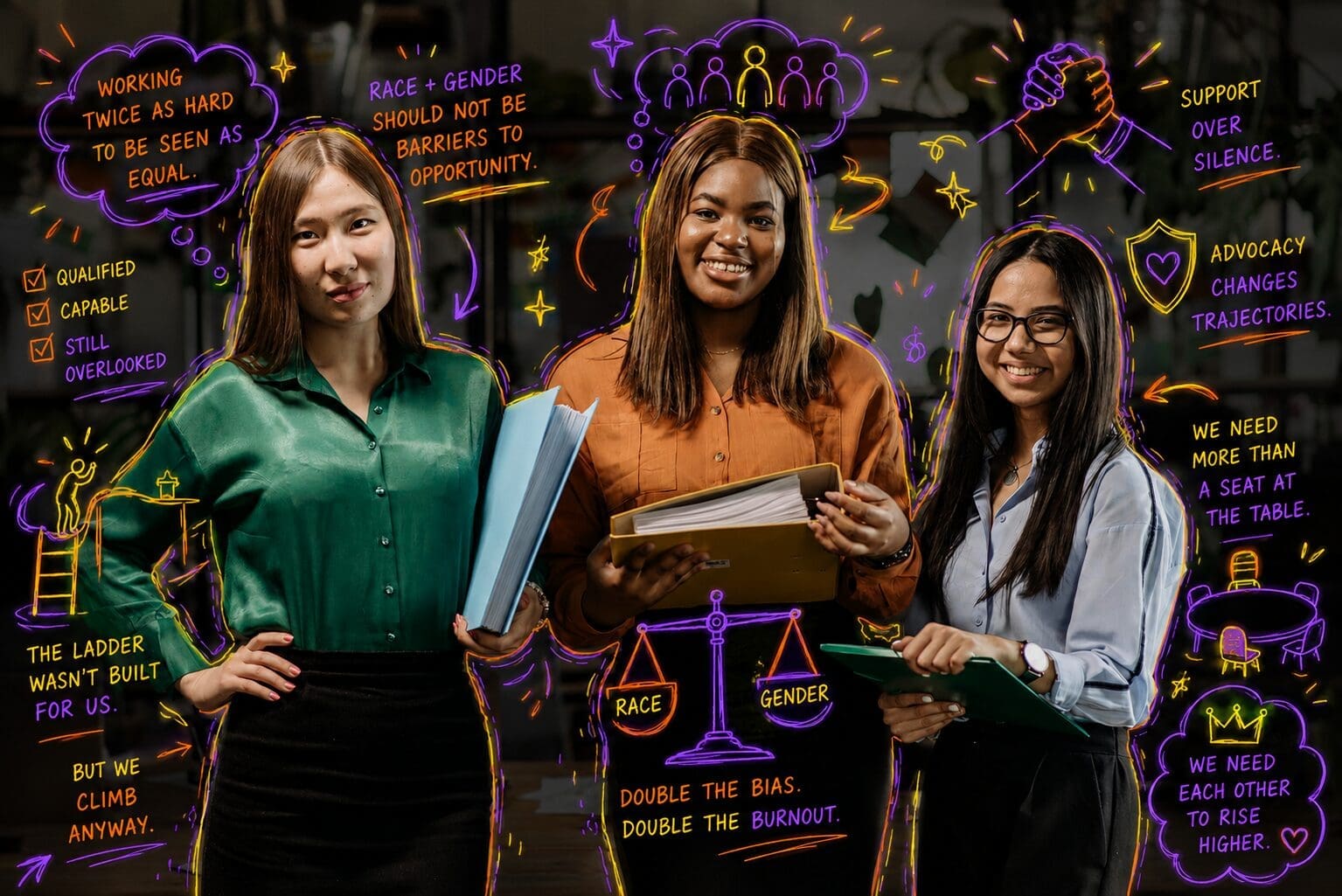

Runor* is 25, a graduate, and has spent months grafting on a project with no supervisor and no support – because being the eldest in a Nigerian household means you don’t stop, even when no one has your back.
Last Thursday, at four o’clock, the day before her annual leave, she was pulled into a meeting.
They told her she hadn’t logged her holiday correctly. They listed everything she’d struggled with. They took her off the project.
Nobody mentioned what she’d managed to do alone.
“There’s nothing wrong with being driven, but that mindset can be fatal,” she says. “You think I have to outperform everyone because I’m a Black woman in the corporate world. I don’t want to say no in case they think I’m lazy. You need to do ten times better than most people just to be recognised.”
Runor’s experience isn’t unique.
For women of colour, the workplace can be a fucking exhausting place – not just mentally, but professionally.
Holiday Phillips is an organisational culture expert who has worked with Google, Apple and Visa, and Executive Adviser at Moving Ahead – an organisation specialising in mentoring, sponsorship and development programmes.
According to Phillips, women of colour make up 21% of entry-level employees. By senior manager level, that drops to 10%. According to the vice president, it’s 9%.
The latest Women in the Workplace report from Lean In and McKinsey found that for every 100 men promoted to manager, only 60 Black women were promoted to manager.
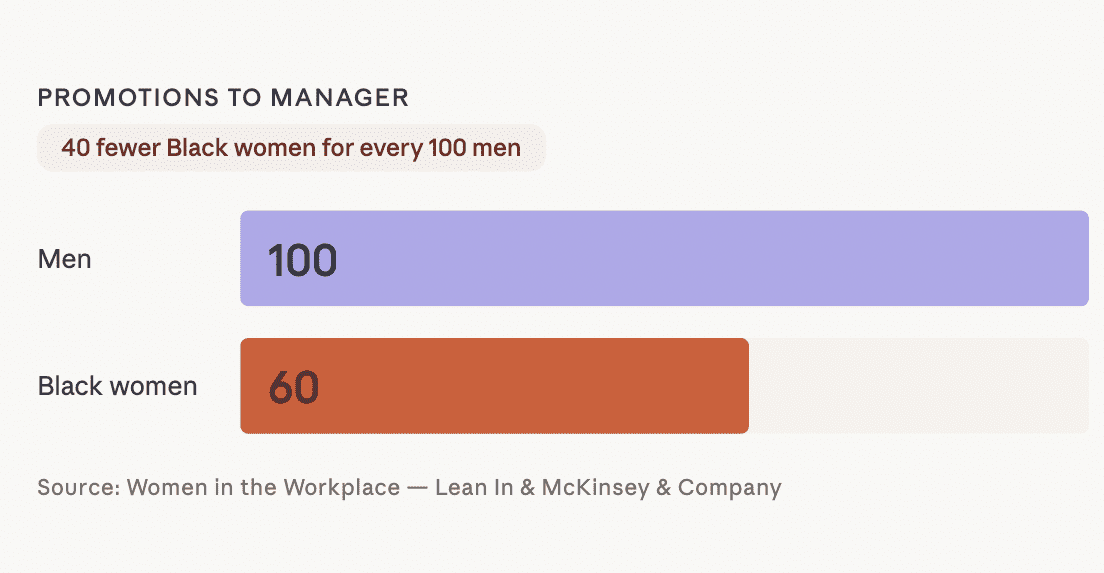
Sociological research points to what’s known as a “concrete ceiling” – where women of colour are held to higher standards, face more scrutiny, and are expected to deliver more, just to reach the same outcomes as white colleagues.
The result is burnout, and a shitty cycle that’s very hard to break out of.
“There are various recorded pressures on women of colour – from both a gender and race perspective – that are disproportionately affecting this group,” Phillips says. “There’s a double burden on them.”
So what actually helps?
“Mentorship and sponsorship are two of the most important and powerful ways that you can support all people, but particularly people from historically marginalised groups,” Phillip says. “Mentorship really builds you up, and then sponsorship places you in opportunities. For women of colour, often when they are burned out, they can retreat from opportunities and visibility, existing in survival mode. Having these mechanisms can really support women to navigate those circumstances and help them get opportunities that might be otherwise harder to get into.”
Judith Pabwaungana, 28, a cost manager at Turner and Townsend, knows exactly why it is so fucking important.
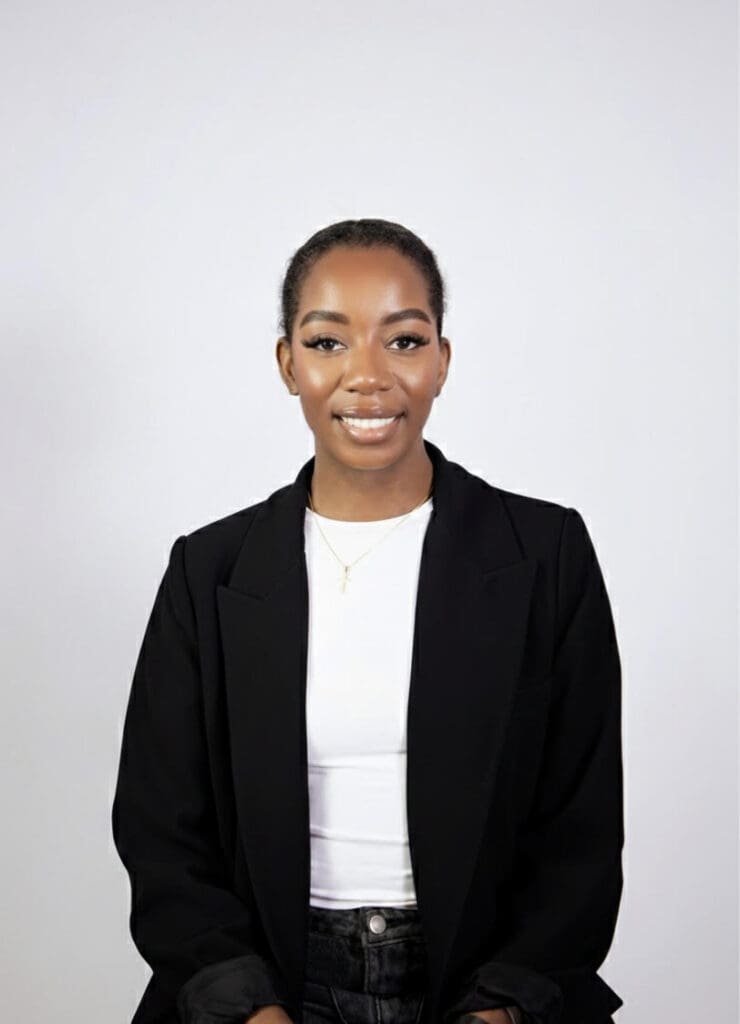
“I got to a point where I was working super hard but didn’t have the right advocacy, and that felt like a barrier,” she says. “Working hard wasn’t enough. Once I started speaking to the right people and got myself a mentor, the opportunities started flowing – and it took away that emotional exhaustion of constantly thinking, What do I do next? Who’s going to help me?”
But formal mentorship isn’t the only answer; sometimes a community is enough.
Zahra Khosroshahi co-founded 1001, a space for women of colour centred on community and growth.
“Women of colour are often overachieving, often overqualified,” she says. “We get jobs when we tick every single box because we’re really deserving of that place – there are so many barriers that exist for us. Sometimes supporting women of colour is as easy as thinking about the way you speak about them when they’re not in the room.”
Having someone in your corner – not because they feel obligated, but because they actually see you- can be life-changing.
“Someone advocating for you, no matter what, is a big thing for me,” Runor says.
Really, it’s the bare fucking minimum.